
What is the Average Weight Loss on Tirzepatide
Quick Answer
The average body composition change on tirzepatide ranges from 15% to 27.3% of total body mass over 72 weeks, depending on the dose and study population. Recent 2026 clinical data shows that participants achieved a mean reduction of 27.3% at 72 weeks in head-to-head trials, with the 15mg dose producing results of approximately 20.9% to 22.5% in pivotal studies. For someone starting at 241 pounds, this translates to roughly 64 pounds of body transformation over 18 months when combined with lifestyle modifications.
Key Takeaways
- Clinical trials demonstrate that tirzepatide supports body composition changes of 15.0% to 27.3% over 72 weeks, with higher doses producing greater results
- The 15mg maximum dose achieved 20.9% to 22.5% mean body transformation in pivotal trials, significantly outperforming placebo groups
- Most people begin noticing appetite management effects within the first 4-8 weeks, with measurable changes appearing by week 12
- Continuing treatment at the maximum tolerated dose maintains 96.5% of achieved results, while discontinuation leads to gradual regain
- Head-to-head studies in 2026 showed tirzepatide produced 27.3% mean results versus 20.2% for semaglutide over the same period
- Dose escalation follows a structured protocol starting at 2.5mg and increasing every 4 weeks to minimize side effects
- Common reasons for plateaus include insufficient dose, medication tolerance, dietary changes, or metabolic adaptation
- The medication works through dual GIP and GLP-1 receptor activation, reducing hunger and keeping you feeling fuller for longer
- Typical costs in the UK range from £169 to £229 per month depending on dose, significantly lower than traditional clinic pricing
- Not everyone responds equally; factors like starting body composition, adherence, lifestyle modifications, and metabolic health influence outcomes
What Is Tirzepatide and How Does It Work for Body Composition Management
Tirzepatide is a dual GIP and GLP-1 receptor agonist that supports metabolic health and body composition management by mimicking natural hormones your body produces to regulate appetite and blood sugar. Unlike single-receptor medications, tirzepatide activates both glucose-dependent insulinotropic polypeptide (GIP) and glucagon-like peptide-1 (GLP-1) receptors, creating a more comprehensive approach to appetite management.
The medication works through several mechanisms:
- Appetite suppression: Signals your brain’s satiety centers to reduce hunger and food cravings
- Delayed gastric emptying: Slows how quickly food leaves your stomach, keeping you feeling fuller for longer
- Improved insulin sensitivity: Helps your body use insulin more effectively to regulate blood sugar
- Reduced caloric intake: Makes it easier to maintain a calorie deficit without constant hunger
When paired with a balanced diet and regular physical activity, tirzepatide is designed to help you achieve sustainable body transformation. The dual-receptor mechanism is what sets it apart from semaglutide-based medications like Wegovy, which only target GLP-1 receptors. This dual action may explain why recent studies show superior results compared to single-receptor alternatives.
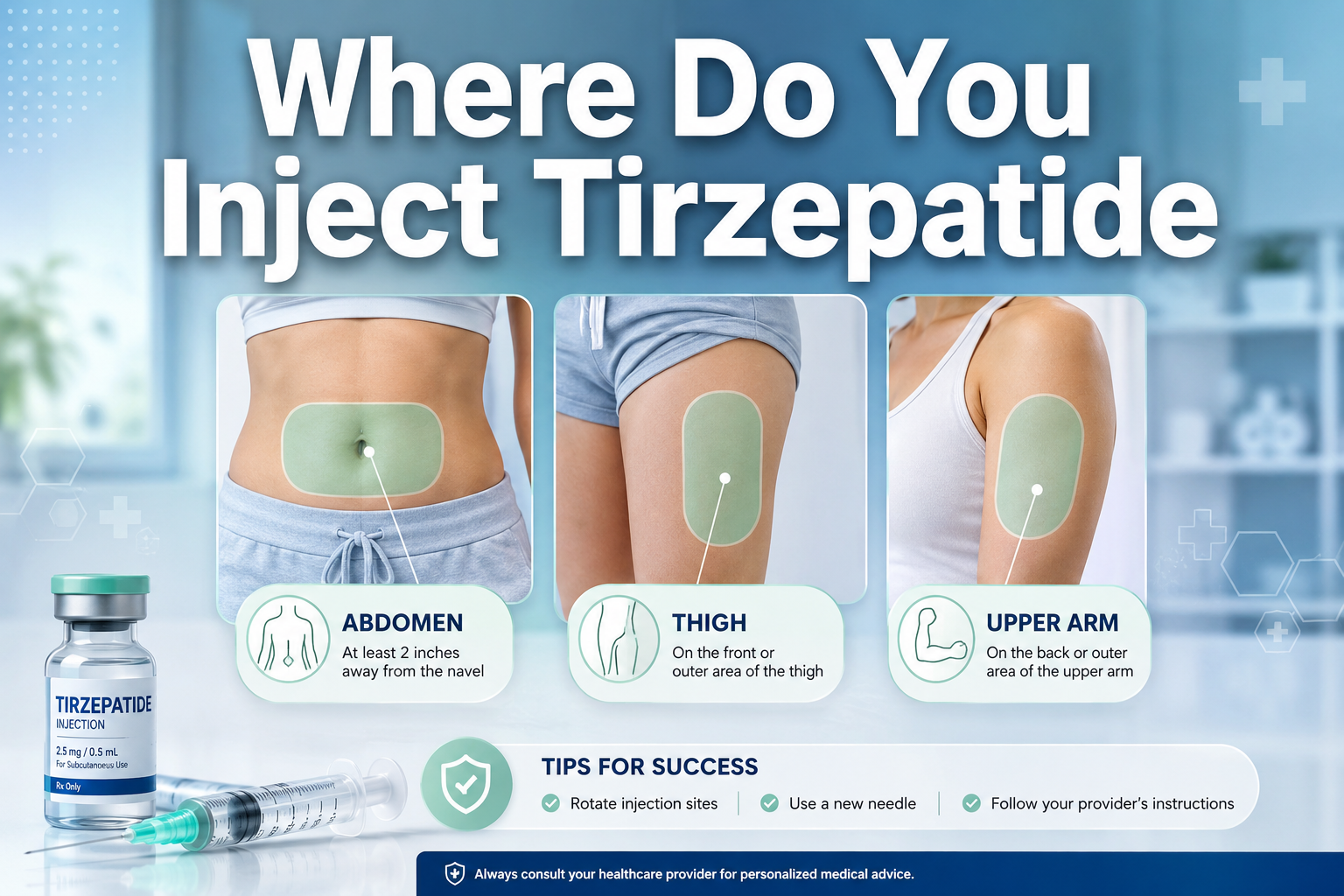
The medication is administered as a once-weekly subcutaneous injection, typically in the abdomen, thigh, or upper arm. Proper injection technique and site rotation help minimize side effects and ensure consistent absorption.
Average Body Composition Changes on Tirzepatide: What the Clinical Data Shows
The most recent and authoritative data comes from Lilly’s May 2026 announcement of the SURMOUNT-5 phase 3b study, which showed participants achieved a 27.3% mean body transformation at 72 weeks when taking tirzepatide, compared with 20.2% for those on semaglutide.[1] This head-to-head comparison provides the clearest picture yet of what people can expect.
Breaking down the timeline from the same study:
- 12-week lead-in phase: Participants achieved 6.9% mean reduction
- Additional 60 weeks: An extra 21.1% mean reduction beyond the lead-in
- Total 84-week journey: Combined 26.6% mean body transformation from study entry
With an average starting body mass of 241.4 pounds (109.5 kg), this translates to approximately 64.4 pounds (29.2 kg) of body transformation on average.[1]
The pivotal SURMOUNT-1 trial published in the New England Journal of Medicine remains a key benchmark. At 72 weeks, mean body composition changes were:[2]
| Dose | Mean Body Transformation | Efficacy Estimand |
|---|---|---|
| 5mg | 15.0% | 16.0% |
| 10mg | 19.5% | 21.4% |
| 15mg | 20.9% | 22.5% |
| Placebo | 3.1% | 3.1% |
The efficacy estimand represents results under ideal conditions where participants follow the protocol exactly, while the treatment-regimen estimand reflects real-world outcomes including discontinuations.[2]
A 2026 maintenance study published in The Lancet found that after people reached a plateau, continuing tirzepatide at the maximum tolerated dose (MTD) resulted in -21.9% model-based mean bodyweight change at week 112. Even reducing to 5mg still achieved -16.6%, versus -9.9% with placebo.[3]
The same maintenance study revealed that continuing on MTD maintained 96.5% of the bodyweight reduction achieved during the initial phase, while the 5mg dose maintained 67.9%, compared with just 42.8% for placebo.[4] This underscores the importance of long-term therapy for sustained results.
How Much Body Transformation Can You Expect in 3 Months on Tirzepatide
During the first three months (12 weeks) on tirzepatide, most people experience 6% to 10% of their total body mass reduction, with the exact amount depending on starting dose, adherence, and individual metabolic factors. The SURMOUNT-5 study showed a 6.9% mean reduction during the 12-week lead-in phase before dose optimization.[1]
Here’s what a typical 3-month timeline looks like:
Weeks 1-4 (2.5mg starting dose)
- Initial appetite suppression becomes noticeable
- Possible mild gastrointestinal adjustment
- Body composition changes of 2-4% are common
- Focus is on tolerating the medication and establishing new eating patterns
Weeks 5-8 (escalation to 5mg)
- Appetite management effects strengthen
- More consistent feeling of fullness after smaller portions
- Additional 2-3% body transformation typically occurs
- Energy levels may improve as metabolic adaptation begins
Weeks 9-12 (escalation to 7.5mg or 10mg)
- Cumulative effects become more apparent
- Total body composition change reaches 6-10% for most people
- Clothing fits differently and physical changes become visible
- Metabolic markers like blood sugar and blood pressure often improve
For someone starting at 220 pounds, a 6-10% reduction over 3 months translates to approximately 13-22 pounds. However, individual results vary based on factors like adherence to proper dosing schedules, dietary choices, physical activity levels, and metabolic health status.
It’s important to note that the first three months represent just the beginning of the journey. The most significant body transformation typically occurs between months 3-12 as doses are optimized and metabolic adaptations fully develop.
Tirzepatide vs Semaglutide: Which Produces Better Results for Body Composition
Head-to-head clinical data from 2026 definitively shows that tirzepatide outperforms semaglutide for body composition management. The SURMOUNT-5 study found that tirzepatide achieved 27.3% mean body transformation at 72 weeks compared with 20.2% for semaglutide, representing a 35% greater reduction with tirzepatide.[1]
Key differences between the two medications:
Mechanism of action
- Tirzepatide: Dual GIP/GLP-1 receptor agonist
- Semaglutide: Single GLP-1 receptor agonist
- The additional GIP activation in tirzepatide appears to enhance metabolic effects and appetite suppression
Clinical outcomes
- Tirzepatide 15mg: 20.9-27.3% mean body transformation
- Semaglutide 2.4mg: 15-20.2% mean body transformation
- Tirzepatide consistently shows 5-7 percentage points greater reduction
Side effect profiles
- Both medications cause similar gastrointestinal side effects (nausea, vomiting, diarrhea)
- Discontinuation rates are comparable between the two
- Individual tolerance varies, so some people may prefer one over the other
Cost considerations
- Branded Wegovy (semaglutide): Often £200-300+ per month through UK clinics
- Branded Mounjaro (tirzepatide): Similar pricing through traditional channels
- Affordable tirzepatide through Tirzeparo: £169-£229 per month depending on dose
For a detailed comparison of these medications, see our comprehensive guide on tirzepatide vs semaglutide.
The clinical evidence suggests that if both medications are available and affordable, tirzepatide offers superior body composition outcomes. However, both are effective options, and the best choice depends on individual response, tolerance, and access.
How Long Does It Take to See Body Transformation Results on Tirzepatide
Most people begin noticing appetite management effects within 4-8 weeks of starting tirzepatide, with measurable body composition changes appearing by week 12. However, the timeline varies based on starting dose, escalation schedule, and individual metabolic factors.
Week-by-week expectations:
Weeks 1-2: Minimal visible changes, but many people report reduced hunger and smaller portion sizes feeling more satisfying. Some experience mild nausea as the body adjusts.
Weeks 3-4: Early body composition changes of 1-3% become measurable on the scale. Clothes may start fitting slightly differently. Appetite suppression becomes more consistent.
Weeks 5-8: As the dose increases to 5mg, effects strengthen. Total body transformation of 3-6% is typical by week 8. Energy levels often improve, and food cravings diminish noticeably.
Weeks 9-12: The 3-month mark typically shows 6-10% total body transformation. Physical changes become visible to others. Metabolic improvements like better blood sugar control are often evident in lab work.
Weeks 13-24: Body transformation accelerates as doses reach 10-15mg. Most people achieve 12-18% reduction by 6 months. This is when results become dramatic and sustainable habits solidify.
Weeks 25-52: The full year typically produces 15-22% total body transformation depending on final dose. Results plateau somewhat as the body reaches a new equilibrium.
Beyond 52 weeks: Maintenance becomes the focus. The 2026 maintenance study showed that continuing treatment at the maximum tolerated dose maintains 96.5% of achieved results.[4]
It’s crucial to understand that tirzepatide is not a quick fix. The medication works best when viewed as a long-term metabolic health tool rather than a short-term solution. Combining tirzepatide with regular exercise and dietary modifications accelerates results and improves overall health outcomes.

What Is the Average Percentage of Body Mass Reduction on Tirzepatide
The average percentage of body mass reduction on tirzepatide ranges from 15.0% to 27.3% over 72 weeks, with the specific outcome depending primarily on the dose used and study population characteristics. The most recent 2026 data shows 27.3% as the mean result in head-to-head comparisons.[1]
Here’s how results break down by dose based on the pivotal SURMOUNT-1 trial:[2]
5mg dose: 15.0% mean reduction (16.0% efficacy estimand)
- Suitable for people who need moderate support or have lower starting body mass
- Fewer side effects compared to higher doses
- Still significantly outperforms placebo (3.1%)
10mg dose: 19.5% mean reduction (21.4% efficacy estimand)
- The most commonly prescribed maintenance dose
- Balances efficacy with tolerability for most people
- Represents the “sweet spot” for many users
15mg dose: 20.9% mean reduction (22.5% efficacy estimand)
- Maximum approved dose for body composition management
- Produces the greatest results but with higher rates of gastrointestinal side effects
- Reserved for people who tolerate lower doses well and need maximum support
The difference between the treatment-regimen estimand (15.0%, 19.5%, 20.9%) and the efficacy estimand (16.0%, 21.4%, 22.5%) reflects real-world factors like discontinuations and missed doses. The efficacy estimand shows what’s possible with perfect adherence.
Factors that influence individual results:
- Starting body composition: People with higher starting body mass often see larger absolute reductions but similar percentages
- Metabolic health: Those with insulin resistance or metabolic syndrome may respond differently
- Adherence: Consistent weekly dosing and lifestyle modifications significantly impact outcomes
- Genetic factors: Individual variations in GIP and GLP-1 receptor sensitivity affect response
- Concurrent medications: Some medications can interfere with or enhance tirzepatide’s effects
It’s worth noting that adverse events led to discontinuation in 10.5% of tirzepatide users versus 2.1% on placebo in the SURMOUNT-5 study,[1] which means the “average” includes people who couldn’t tolerate the full treatment course. For those who complete the full protocol, results tend to be at the higher end of the range.
Who Is a Good Candidate for Tirzepatide Body Composition Management
Tirzepatide is designed for adults (18+) with a body mass index (BMI) of 30 or higher, or a BMI of 27 or higher with at least one metabolic health condition such as high blood pressure, type 2 diabetes, or high cholesterol. The medication works best for people who have struggled with traditional diet and exercise approaches and need additional metabolic support.
Ideal candidates typically:
- Have a BMI of 27 or higher with metabolic health concerns
- Have tried conventional approaches without achieving sustainable results
- Are committed to long-term treatment (12+ months minimum)
- Can adhere to weekly injection schedules
- Are willing to make concurrent lifestyle modifications
- Have realistic expectations about the timeline and effort required
- Can afford ongoing treatment costs (£169-£229 monthly through affordable UK sourcing options)
People who may see above-average results:
- Those with insulin resistance or prediabetes
- Individuals with strong appetite and cravings that sabotage diet efforts
- People who respond well to GLP-1 medications
- Those who combine treatment with structured exercise programs
- Postmenopausal women using hormone therapy (one 2026 study showed 35% better results in this subgroup)[6]
Who should NOT take tirzepatide:
- People with a personal or family history of medullary thyroid carcinoma (MTC)
- Those with Multiple Endocrine Neoplasia syndrome type 2 (MEN 2)
- Anyone with a history of severe allergic reactions to tirzepatide
- Pregnant or breastfeeding women
- People with a history of pancreatitis (use with caution and medical supervision)
- Those with severe gastrointestinal disease
- Individuals with type 1 diabetes (not approved for this use)
The medication is particularly effective for people who struggle with hunger and portion control rather than emotional eating or binge eating disorders. While tirzepatide reduces physical hunger, it doesn’t address psychological eating patterns, so people with significant emotional eating may need additional support.
Important Medical Warning: Contact your healthcare provider promptly if you notice a lump or swelling in your neck, persistent hoarseness, difficulty swallowing, or shortness of breath. These symptoms may require medical evaluation. In animal studies, tirzepatide and similar medications were associated with thyroid tumors. It is not known whether tirzepatide causes thyroid tumors or medullary thyroid carcinoma (MTC) in humans. You must be 18+ to use our service.
Why Am I Not Seeing Body Transformation Results on Tirzepatide
If you’re not experiencing the expected body composition changes on tirzepatide, several common factors may be interfering with the medication’s effectiveness. Most plateaus or slow responses can be addressed by identifying and correcting the underlying issue.
Common reasons for suboptimal results:
Insufficient dose
- You may still be on a starting or escalation dose (2.5-7.5mg)
- The therapeutic dose for body composition management is typically 10-15mg
- Some people need the maximum 15mg dose to achieve optimal results
- Discuss dose escalation with your healthcare provider if you’ve plateaued on a lower dose
Medication tolerance
- Your body may be developing tolerance to the current dose
- This is different from true resistance and usually responds to dose adjustment
- Ensure you’re not missing doses, which can reduce effectiveness
Dietary compensation
- Some people unconsciously increase calorie intake, especially from calorie-dense foods
- Liquid calories (juices, smoothies, alcohol) can sabotage results
- Tracking food intake for a week often reveals hidden calorie sources
- Focus on protein-rich, whole foods that maximize satiety
Metabolic adaptation
- Your metabolism naturally slows as body mass decreases
- This is normal and expected, not a sign of medication failure
- Increasing physical activity, especially resistance training, helps counter this effect
- Consider working with a nutritionist to adjust calorie targets
Inadequate physical activity
- While tirzepatide works without exercise, activity significantly enhances results
- Aim for at least 150 minutes of moderate activity weekly
- Resistance training helps preserve muscle mass during body transformation
- Combining tirzepatide with structured exercise produces superior outcomes
Medical factors
- Thyroid disorders can slow metabolism and blunt tirzepatide’s effects
- Certain medications (steroids, antipsychotics, some antidepressants) interfere with body composition management
- Hormonal imbalances (PCOS, low testosterone, menopause) may require additional treatment
- Sleep disorders and chronic stress elevate cortisol, which promotes fat storage
Unrealistic timeline expectations
- Body transformation is not linear; plateaus lasting 2-4 weeks are normal
- The scale doesn’t always reflect body composition changes (muscle gain, water retention)
- Take measurements and photos in addition to tracking body mass
- Focus on non-scale victories: energy levels, clothing fit, metabolic health markers
If you’ve been on the maximum tolerated dose for 12+ weeks without results, you may be among the small percentage of non-responders. In this case, discuss alternative approaches with your healthcare provider, including switching to a different medication or investigating underlying medical conditions.
Understanding Body Transformation Plateaus on Tirzepatide: What to Do
Body transformation plateaus are a normal part of the journey and typically occur after the initial rapid phase. A plateau is defined as 3-4 weeks without measurable body composition changes despite continued treatment and adherence. Understanding why plateaus happen and how to overcome them is crucial for long-term success.
Why plateaus occur:
Metabolic adaptation: As your body mass decreases, your basal metabolic rate naturally declines. You burn fewer calories at rest, which can slow progress even with the same calorie intake.
Set point theory: Your body has regulatory mechanisms that resist significant body composition changes. Hormones like leptin and ghrelin adjust to defend your current body mass.
Dose tolerance: Over time, your body may become less responsive to the current dose, requiring adjustment to maintain effectiveness.
Lifestyle drift: Small increases in calorie intake or decreases in activity level can accumulate over weeks and stall progress.
Strategies to break through plateaus:
- Reassess your dose: If you’re on 5-10mg and have plateaued for 4+ weeks, discuss escalating to a higher dose with your provider. The 2026 maintenance study showed that continuing at the maximum tolerated dose maintained 96.5% of results.[4]
- Recalculate calorie needs: As your body mass decreases, so do your calorie requirements. Reduce intake by 100-200 calories or increase activity to create a new deficit.
- Increase protein intake: Aim for 1.2-1.6g per kg of target body mass. Higher protein preserves muscle mass and increases satiety.
- Add or intensify resistance training: Building muscle increases metabolic rate and improves body composition even if the scale doesn’t move.
- Implement intermittent fasting: Some people find that time-restricted eating (16:8 or 14:10) enhances tirzepatide’s appetite suppression effects.
- Address sleep and stress: Poor sleep and chronic stress elevate cortisol, which promotes fat storage and interferes with body transformation.
- Review medications: Some prescriptions interfere with body composition management. Discuss alternatives with your healthcare provider if applicable.
- Consider a diet break: Paradoxically, eating at maintenance calories for 1-2 weeks can reset metabolic hormones and restart progress.
- Track non-scale victories: Take measurements, photos, and note improvements in energy, fitness, and metabolic health markers. The scale doesn’t tell the whole story.
When to seek professional help:
- Plateau lasting 8+ weeks despite dose optimization and lifestyle modifications
- Unexplained symptoms like extreme fatigue, hair loss, or cold intolerance (may indicate thyroid issues)
- Significant emotional distress about the plateau
- Suspicion of underlying medical conditions interfering with progress
Remember that the goal is sustainable, long-term body transformation, not rapid results. Plateaus are opportunities to refine your approach and build habits that will maintain your results for life.
How Much Does Tirzepatide Cost Per Month for Body Composition Management
The monthly cost of tirzepatide varies dramatically depending on your source, with traditional UK private clinics charging £300-500+ per month, while direct sourcing solutions like Tirzeparo offer significantly more affordable access at £169-£229 per month depending on dose.
Tirzeparo pricing (direct EU sourcing):
- 2.5mg (starting dose): £169 per month
- 5mg (step-up dose): £179 per month
- 7.5mg (maintenance): £189 per month
- 10mg (maintenance): £199 per month
- 12.5mg (high dose): £209 per month
- 15mg (maximum dose): £229 per month
Traditional UK clinic pricing:
- Initial consultation: £50-150
- Monthly prescription: £250-400+
- Follow-up appointments: £30-80 each
- Total first-year cost: £3,500-5,500+
NHS availability:
Tirzepatide (branded as Mounjaro) is approved by NICE for type 2 diabetes and body composition management in England, but access through the NHS is limited by strict eligibility criteria and long waiting lists. Most people seeking tirzepatide for body composition management must use private options.
Cost comparison over 12 months:
| Source | Monthly Cost | Annual Cost | Additional Fees |
|---|---|---|---|
| Traditional UK clinic | £300-500 | £3,600-6,000 | Consultations, follow-ups |
| Tirzeparo (10mg) | £199 | £2,388 | None |
| Tirzeparo (15mg) | £229 | £2,748 | None |
| NHS (if eligible) | £0 | £0 | Long waiting lists |
What’s included with Tirzeparo:
- Direct access to pharmaceutical-grade tirzepatide through trusted EU partners
- Discreet home delivery in plain, unbranded packaging
- Fast, tracked shipping straight to your door
- Transparent pricing with no hidden consultation fees
- Simple, straightforward ordering process
- No long waiting lists or complicated approval processes
Tirzeparo acts as a bridge, providing direct access to affordable tirzepatide by fulfilling orders through our network of EU partners. We are not a medical clinic; we are your sourcing solution for body composition management.
For detailed pricing information and to compare options, visit our tirzepatide cost guide.
Long-term cost considerations:
The 2026 maintenance study demonstrated that continuing treatment is essential for maintaining results. Participants who discontinued treatment regained significant body mass, while those who continued at even reduced doses maintained most of their transformation.[4] This means tirzepatide should be viewed as a long-term investment in metabolic health, not a short-term expense.
When calculating total cost, factor in:
- 12-18 months of escalation and active transformation phase
- Ongoing maintenance treatment (potentially indefinite)
- Potential dose reduction after achieving goals (some people maintain results on lower doses)
- Savings from reduced food consumption (many people report 30-50% lower grocery bills)
- Potential savings from improved metabolic health (reduced medication needs, fewer health complications)
Common Mistakes People Make When Taking Tirzepatide for Body Transformation
Avoiding common pitfalls can significantly improve your results and experience with tirzepatide. Many people unknowingly sabotage their progress by making these preventable mistakes.
Escalating dose too quickly
The standard protocol increases by 2.5mg every 4 weeks for a reason. Jumping doses faster increases side effects without improving results. Follow the recommended escalation schedule: 2.5mg → 5mg → 7.5mg → 10mg → 12.5mg → 15mg, with at least 4 weeks at each dose.
Not managing side effects proactively
Nausea, constipation, and other gastrointestinal effects are common but manageable. Eat smaller, more frequent meals. Avoid high-fat and spicy foods. Stay hydrated. Use ginger or anti-nausea medications if needed. Don’t suffer in silence or discontinue prematurely. For detailed guidance, see our article on tirzepatide side effects.
Neglecting protein intake
Rapid body transformation can lead to muscle loss if protein intake is inadequate. Aim for 1.2-1.6g of protein per kg of target body mass. Prioritize lean meats, fish, eggs, Greek yogurt, and protein supplements if needed. This preserves muscle mass and prevents the loose skin issues some people experience.
Skipping resistance training
Cardio alone leads to muscle loss during body transformation. Resistance training 2-3 times weekly preserves muscle, maintains metabolic rate, and improves body composition. You don’t need a gym membership; bodyweight exercises at home are effective.
Inconsistent injection timing
While tirzepatide has a long half-life, maintaining a consistent weekly schedule optimizes results. Choose a specific day and time each week and stick to it. Set phone reminders if needed. For guidance on optimal timing, read our article on what time of day to inject tirzepatide.
Poor injection technique
Improper injection can cause bruising, lumps, and reduced absorption. Rotate injection sites between abdomen, thighs, and upper arms. Don’t inject into the same spot repeatedly. Use proper technique: pinch skin, insert at 90 degrees, inject slowly, hold for 5 seconds before removing. Review our guide on rotating injection sites.
Drinking calories
Tirzepatide reduces appetite for solid food but doesn’t always affect liquid calorie consumption. Fruit juices, smoothies, alcohol, and sugary coffee drinks can provide hundreds of hidden calories. Stick to water, black coffee, tea, and other zero-calorie beverages.
Stopping too soon
Many people discontinue treatment after reaching their goal, only to regain body mass within months. The 2026 maintenance study showed that discontinuation leads to regain of most of the transformation.[4] Plan for long-term maintenance treatment, potentially at a reduced dose.
Ignoring metabolic health markers
Body transformation is just one benefit of tirzepatide. The medication also improves blood sugar, blood pressure, cholesterol, and inflammation markers. Regular monitoring helps demonstrate the full value of treatment and can motivate continued adherence.
Not addressing emotional eating
Tirzepatide reduces physical hunger but doesn’t eliminate emotional or habitual eating. If you eat in response to stress, boredom, or emotions, consider working with a therapist or counselor to develop healthier coping mechanisms.
Comparing your journey to others
Individual results vary based on genetics, starting body composition, metabolic health, adherence, and dozens of other factors. Someone else’s 30% transformation in 6 months doesn’t mean you’ve failed if you achieve 18%. Focus on your own progress and health improvements.
Neglecting skin care
Rapid body transformation can lead to loose skin, especially in people over 40 or those with significant amounts to lose. Stay hydrated, moisturize regularly, build muscle, and consider collagen supplementation. For detailed strategies, see our guide on tirzepatide loose skin prevention.
Is Tirzepatide Safe for People with Diabetes and Metabolic Health Concerns
Tirzepatide is not only safe for people with type 2 diabetes and metabolic health concerns but was originally developed and approved for diabetes management before receiving approval for body composition management. The medication improves multiple metabolic health markers simultaneously, making it particularly beneficial for people with metabolic syndrome.
Benefits for people with type 2 diabetes:
- Improved glycemic control: Reduces HbA1c by 1.5-2.5 percentage points on average
- Reduced insulin resistance: Enhances insulin sensitivity and pancreatic function
- Lower fasting glucose: Decreases morning blood sugar levels
- Reduced hypoglycemia risk: Unlike insulin or sulfonylureas, tirzepatide rarely causes dangerous low blood sugar
- Cardiovascular benefits: Improves blood pressure, cholesterol, and inflammation markers
Safety considerations for diabetic patients:
If you’re taking insulin or sulfonylureas (glyburide, glipizide, glimepiride), your doses may need to be reduced when starting tirzepatide to prevent hypoglycemia. Work closely with your healthcare provider to adjust other diabetes medications appropriately.
Monitor blood sugar more frequently during the first 4-8 weeks of treatment to ensure levels don’t drop too low. Most people can reduce or eliminate other diabetes medications as tirzepatide takes effect.
Metabolic syndrome benefits:
Tirzepatide addresses multiple components of metabolic syndrome simultaneously:
- Body composition: 15-27% reduction over 72 weeks
- Blood pressure: Average reduction of 5-10 mmHg systolic
- Triglycerides: Significant improvements in lipid profiles
- HDL cholesterol: Modest increases in “good” cholesterol
- Inflammation: Reduced C-reactive protein and other inflammatory markers
- Fatty liver: Improvements in non-alcoholic fatty liver disease (NAFLD)
Who should use extra caution:
- People with a history of pancreatitis (use only under close medical supervision)
- Those with severe kidney disease (dose adjustments may be needed)
- Individuals with gastroparesis or severe gastrointestinal disorders
- Anyone with a history of thyroid cancer or MEN 2 syndrome (contraindicated)
Cardiovascular safety:
Recent cardiovascular outcome trials have shown that GLP-1 and dual GIP/GLP-1 medications like tirzepatide reduce the risk of major cardiovascular events (heart attack, stroke, cardiovascular death) in people with type 2 diabetes and established cardiovascular disease. This makes tirzepatide particularly valuable for people with both metabolic health concerns and heart disease risk factors.
IQVIA’s 2026 obesity outlook notes that tirzepatide and similar medications are now being prioritized as first-line treatments because evidence supports not just body composition management but broader metabolic health benefits.[5]
What Happens When You Stop Taking Tirzepatide: Will You Regain Body Mass
The 2026 maintenance study published in The Lancet provides clear evidence that discontinuing tirzepatide leads to gradual regain of body mass, while continuing treatment maintains most of the achieved transformation. This is one of the most important findings for anyone considering tirzepatide therapy.[3][4]
Key findings from the maintenance study:
Participants who reached a plateau and then continued tirzepatide at their maximum tolerated dose maintained 96.5% of their bodyweight reduction at week 112. Those who reduced to 5mg maintained 67.9%, while those who switched to placebo maintained only 42.8% of their results.[4]
This means that if you achieved a 50-pound transformation and then stopped treatment:
- You would likely regain approximately 29 pounds within the following year
- Continuing at a reduced dose would limit regain to approximately 16 pounds
- Staying on your maximum tolerated dose would limit regain to approximately 2 pounds
Why regain occurs:
Metabolic adaptation: Your body’s metabolism slows during body transformation and doesn’t fully recover when treatment stops. This creates a persistent calorie surplus if eating patterns return to pre-treatment levels.
Appetite rebound: Tirzepatide suppresses hunger hormones like ghrelin. When treatment stops, these hormones surge back, often to levels higher than before treatment, driving increased appetite.
Set point defense: Your body has regulatory mechanisms that attempt to restore your previous body mass. These mechanisms become more aggressive after treatment discontinuation.
Behavioral factors: The appetite suppression from tirzepatide makes it easier to maintain healthy eating habits. Without this support, many people gradually return to previous eating patterns.
Strategies to minimize regain after discontinuation:
If you must stop tirzepatide, these strategies can help minimize regain:
- Taper gradually: Reduce dose slowly over 2-3 months rather than stopping abruptly
- Increase physical activity: Add 30-60 minutes of daily activity to compensate for metabolic slowdown
- Monitor closely: Weigh weekly and intervene immediately if you gain 5+ pounds
- Maintain protein intake: Continue eating 1.2-1.6g protein per kg to preserve muscle mass
- Consider maintenance therapy: Even a low dose (2.5-5mg) provides significant benefit
- Address underlying issues: Work on stress management, sleep, and emotional eating patterns
The case for long-term maintenance:
The evidence strongly supports viewing tirzepatide as a long-term metabolic health medication rather than a short-term intervention. Just as people with high blood pressure take medication indefinitely to control their condition, people with metabolic health concerns may benefit from ongoing tirzepatide therapy.
Many people can maintain results on lower doses than they used during active transformation. For example, someone who reached their goal on 15mg might maintain results on 7.5-10mg, significantly reducing monthly costs while preserving benefits.
Cost-benefit of maintenance:
At Tirzeparo’s affordable pricing of £169-£229 per month, long-term maintenance is financially feasible for many people. When weighed against the health costs of regaining body mass (increased diabetes risk, cardiovascular disease, joint problems, reduced quality of life), ongoing treatment often represents excellent value.
Body Transformation Results by Dose: Comparing 5mg vs 10mg vs 15mg Tirzepatide
The dose-response relationship for tirzepatide is clear and consistent across multiple studies: higher doses produce greater body composition changes, though with increased rates of gastrointestinal side effects. Understanding the trade-offs helps you and your healthcare provider choose the optimal dose.
5mg dose results:
- Mean body transformation: 15.0% (16.0% efficacy estimand)[2]
- Typical timeline: 12-18 months to reach maximum effect
- Side effects: Lowest rate of nausea, vomiting, and diarrhea
- Best for: People with moderate body composition goals, those sensitive to medications, or individuals who achieve satisfactory results at this dose
- Real-world example: A 200-pound person would typically achieve 30-32 pounds of transformation
10mg dose results:
- Mean body transformation: 19.5% (21.4% efficacy estimand)[2]
- Typical timeline: 12-18 months to reach maximum effect
- Side effects: Moderate rate of gastrointestinal effects, manageable for most people
- Best for: The majority of people seeking significant body transformation; represents the “sweet spot” of efficacy and tolerability
- Real-world example: A 200-pound person would typically achieve 39-43 pounds of transformation
15mg dose results:
- Mean body transformation: 20.9% (22.5% efficacy estimand)[2]
- Typical timeline: 12-18 months to reach maximum effect
- Side effects: Highest rate of nausea, vomiting, diarrhea, and discontinuation
- Best for: People who tolerate lower doses well and need maximum support; those with significant metabolic health concerns
- Real-world example: A 200-pound person would typically achieve 42-45 pounds of transformation
Comparing the doses:
| Dose | Mean Reduction | Efficacy Estimand | Discontinuation Rate | Monthly Cost (Tirzeparo) |
|---|---|---|---|---|
| 5mg | 15.0% | 16.0% | Lowest | £179 |
| 10mg | 19.5% | 21.4% | Moderate | £199 |
| 15mg | 20.9% | 22.5% | Highest | £229 |
Key insights:
The jump from 5mg to 10mg provides a 4.5 percentage point improvement in body transformation, while the jump from 10mg to 15mg provides only an additional 1.4 percentage points. This diminishing return means that 10mg is optimal for many people.
However, for someone with 100+ pounds to lose or significant metabolic health concerns, the extra 1.4 percentage points from 15mg can translate to 10-15 additional pounds of transformation, which may be clinically meaningful.
Dose optimization strategy:
Most people should:
- Start at 2.5mg and escalate every 4 weeks as tolerated
- Reach 10mg and maintain that dose for at least 12 weeks
- Assess results and side effects at the 10mg dose
- If results are satisfactory and side effects are minimal, consider escalating to 12.5mg or 15mg
- If side effects are problematic at 10mg, consider staying at 7.5mg or returning to 5mg
The goal is to find your maximum tolerated dose – the highest dose you can take consistently without intolerable side effects. This dose produces the best long-term results because adherence is the most important factor in success.
For detailed information on each dose level, see our guides on 2.5mg effects, 5mg effects, 7.5mg effects, and 10mg effects.
Who Should Not Take Tirzepatide for Body Composition Management
While tirzepatide is safe and effective for most adults seeking body composition management, certain medical conditions and circumstances make the medication inappropriate or require special precautions.
Absolute contraindications (do not use):
Personal or family history of medullary thyroid carcinoma (MTC)
- Tirzepatide carries a boxed warning about thyroid C-cell tumors observed in animal studies
- Anyone with a personal or family history of MTC should not use tirzepatide
- This is a rare but serious contraindication
Multiple Endocrine Neoplasia syndrome type 2 (MEN 2)
- This genetic condition increases risk of MTC
- Tirzepatide is absolutely contraindicated in people with MEN 2
Severe allergic reaction to tirzepatide
- Anyone who has experienced anaphylaxis or severe allergic reaction to tirzepatide should not use it again
- Mild injection site reactions are not contraindications
Pregnancy and breastfeeding
- Tirzepatide has not been studied in pregnant or breastfeeding women
- Animal studies show potential fetal harm
- Women of childbearing age should use effective contraception
- Discontinue tirzepatide at least 2 months before planned pregnancy
Relative contraindications (use with caution or avoid):
History of pancreatitis
- GLP-1 medications have been associated with pancreatitis in some cases
- People with prior pancreatitis should only use tirzepatide under close medical supervision
- Discontinue immediately if severe abdominal pain develops
Severe gastrointestinal disease
- Gastroparesis, inflammatory bowel disease, or severe GERD may worsen with tirzepatide
- The medication slows gastric emptying, which can exacerbate these conditions
Severe kidney disease
- Limited data exists on tirzepatide use in people with severe renal impairment
- Dehydration from vomiting or diarrhea can worsen kidney function
- Use with caution and ensure adequate hydration
Active gallbladder disease
- Rapid body transformation increases risk of gallstones
- People with active gallbladder disease should address it before starting tirzepatide
Type 1 diabetes
- Tirzepatide is not approved for type 1 diabetes
- It does not replace insulin in people who cannot produce it
History of eating disorders
- Anorexia nervosa, bulimia, or severe restrictive eating disorders
- Tirzepatide’s appetite suppression may worsen these conditions
- Requires psychiatric evaluation and clearance before use
Age considerations:
Under 18: Tirzepatide is not approved for use in children or adolescents. Safety and efficacy have not been established in this population.
Over 75: Limited data exists for elderly patients. Use with caution due to increased risk of dehydration and potential drug interactions with multiple medications.
Medication interactions:
Tirzepatide can interact with several medications:
- Insulin and sulfonylureas: Increased risk of hypoglycemia; doses must be reduced
- Oral medications: Delayed gastric emptying may affect absorption; take other medications 1 hour before tirzepatide injection
- Warfarin: May require more frequent INR monitoring
When to seek immediate medical attention:
Stop tirzepatide and seek emergency care if you experience:
- Severe abdominal pain that doesn’t resolve (possible pancreatitis)
- Persistent vomiting leading to dehydration
- Signs of allergic reaction (difficulty breathing, swelling of face/throat, severe rash)
- Lump or swelling in the neck, hoarseness, difficulty swallowing (possible thyroid tumor)
- Signs of kidney problems (decreased urination, swelling, extreme fatigue)
Important Medical Warning: Contact your healthcare provider promptly if you notice a lump or swelling in your neck, persistent hoarseness, difficulty swallowing, or shortness of breath. These symptoms may require medical evaluation. In animal studies, tirzepatide and similar medications were associated with thyroid tumors. It is not known whether tirzepatide causes thyroid tumors or medullary thyroid carcinoma (MTC) in humans. You must be 18+ to use our service.
For comprehensive safety information, see our detailed guide on tirzepatide side effects and long-term side effects.
Frequently Asked Questions
How quickly will I see results on tirzepatide?
Most people notice reduced appetite within 4-8 weeks and measurable body composition changes by week 12. Significant visible changes typically appear between months 3-6, with maximum results achieved at 12-18 months depending on dose and individual factors.
Can I drink alcohol while taking tirzepatide?
Alcohol is not contraindicated with tirzepatide, but it can worsen side effects like nausea and may contribute empty calories that slow progress. Limit alcohol to moderate amounts (1-2 drinks occasionally) and avoid drinking on an empty stomach.
Will insurance cover tirzepatide for body composition management?
NHS coverage is limited and subject to strict eligibility criteria. Most private insurance in the UK does not cover tirzepatide for body composition management. Affordable direct sourcing through Tirzeparo provides an accessible alternative at £169-£229 per month.
Can I take tirzepatide if I’ve had bariatric surgery?
Yes, tirzepatide can be used after bariatric surgery, though the combination may increase risk of gastrointestinal side effects. Some people who regain body mass after surgery find tirzepatide helpful for getting back on track. Consult your bariatric surgeon before starting.
How do I store tirzepatide?
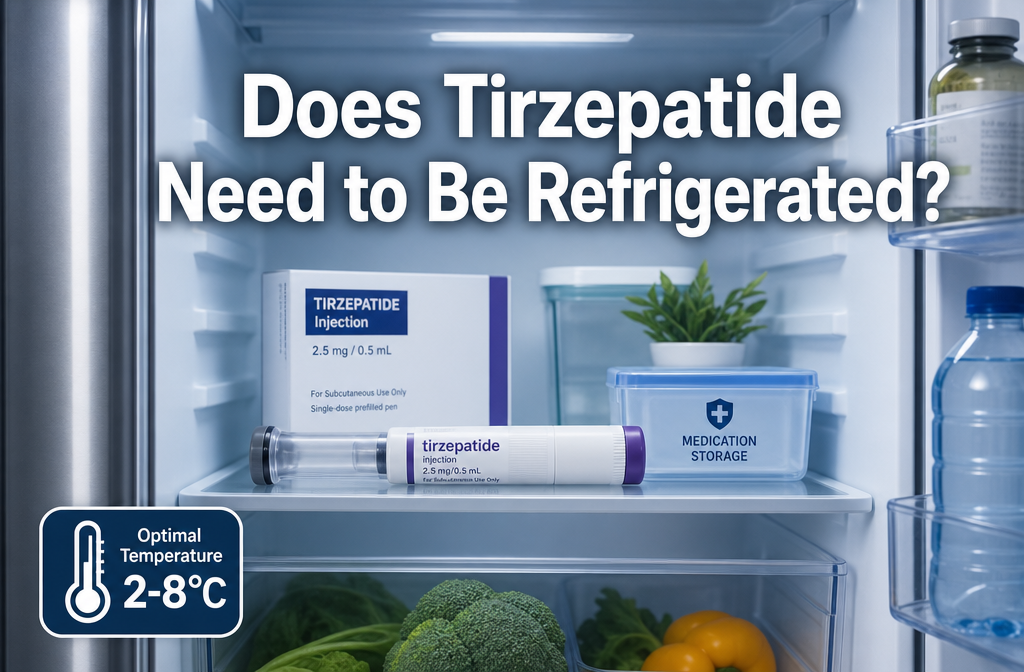
Unopened pens should be refrigerated at 2-8°C (36-46°F). Once in use, pens can be kept at room temperature (up to 30°C/86°F) for up to 21 days. Never freeze tirzepatide. Protect from light by keeping in the original carton until use.
What should I do if I miss a dose?
If you miss a dose and it’s been less than 4 days, take it as soon as you remember. If it’s been more than 4 days, skip the missed dose and take your next dose on the regularly scheduled day. Never double up doses.
Can men take tirzepatide for body composition management?
Yes, tirzepatide is equally effective in men and women. Clinical trials included both sexes, and results were similar. Men may experience slightly faster initial results due to higher baseline metabolic rates and muscle mass.
Will tirzepatide affect my fertility?
Body transformation itself can improve fertility in people with metabolic health concerns. However, tirzepatide has not been studied in pregnancy and should not be used if you’re trying to conceive. Discontinue at least 2 months before planned pregnancy.
Can I take tirzepatide with other medications?
Most medications can be taken with tirzepatide, but timing matters. Take oral medications at least 1 hour before your tirzepatide injection to ensure proper absorption. Insulin and sulfonylurea doses must be reduced to prevent hypoglycemia. Discuss all medications with your healthcare provider.
How long do I need to stay on tirzepatide?
The 2026 maintenance study clearly shows that continuing treatment is necessary to maintain results. Most people should plan for long-term therapy, potentially at a reduced maintenance dose. Discontinuation typically leads to gradual regain of body mass.[3][4]
Is tirzepatide better than semaglutide?
Head-to-head studies show tirzepatide produces superior body composition results (27.3% vs 20.2% at 72 weeks).[1] However, both medications are effective, and the best choice depends on individual response, tolerance, and access. See our detailed comparison of tirzepatide vs semaglutide.
What happens if I experience severe nausea?
Mild nausea is common and usually improves after 2-3 weeks. Eat smaller meals, avoid fatty foods, and stay hydrated. If nausea is severe or persistent, contact your healthcare provider about dose reduction or anti-nausea medication. For detailed management strategies, see our guide on tirzepatide nausea and vomiting.
Conclusion
The clinical evidence for tirzepatide’s effectiveness in body composition management is compelling and continues to strengthen with new 2026 data. Average body transformation ranges from 15% to 27.3% over 72 weeks, with the most recent head-to-head studies showing superior results compared to semaglutide. For someone starting at 240 pounds, this translates to approximately 36-66 pounds of sustainable body transformation when combined with lifestyle modifications.
The key to success with tirzepatide lies in understanding that it’s a long-term metabolic health tool, not a quick fix. The medication works best when:
- Doses are escalated gradually to the maximum tolerated level (typically 10-15mg)
- Treatment continues for at least 12-18 months to achieve maximum results
- Lifestyle modifications including protein-rich nutrition and resistance training are implemented
- Long-term maintenance therapy is planned to preserve results
- Realistic expectations are set based on individual factors and clinical trial data
The 2026 maintenance study provides crucial evidence that continuing treatment is essential for maintaining results. Discontinuation leads to gradual regain, while ongoing therapy at even reduced doses preserves most of the achieved transformation.[3][4]
Taking action:
If you’re considering tirzepatide for body composition management, the evidence supports its use as a first-line option for adults with a BMI of 27+ and metabolic health concerns. The medication’s dual GIP/GLP-1 mechanism provides superior results compared to single-receptor alternatives, and the safety profile is well-established through extensive clinical trials.
Tirzeparo provides straightforward access to pharmaceutical-grade tirzepatide at affordable pricing (£169-£229 per month) through our trusted EU partner network. We offer discreet home delivery, transparent pricing with no hidden consultation fees, and a simple ordering process that eliminates the long waiting lists and complicated approval processes of traditional UK clinics.
Tirzeparo acts as a bridge, providing direct access to affordable tirzepatide by fulfilling orders through our network of EU partners. We are not a medical clinic; we are your sourcing solution for body composition management.
Ready to begin your body transformation journey? Explore our tirzepatide options or learn more about affordable UK access. For questions about dosing, side effects, or whether tirzepatide is right for you, visit our comprehensive FAQ section.
Important Medical Warning: Contact your healthcare provider promptly if you notice a lump or swelling in your neck, persistent hoarseness, difficulty swallowing, or shortness of breath. These symptoms may require medical evaluation. In animal studies, tirzepatide and similar medications were associated with thyroid tumors. It is not known whether tirzepatide causes thyroid tumors or medullary thyroid carcinoma (MTC) in humans. You must be 18+ to use our service.
References
[1] Lilly’s Tirzepatide Shows Additional 21.1% Weight Loss After 12-Week Lead-In – https://investor.lilly.com/news-releases/news-release-details/lillys-tirzepatide-shows-additional-211-weight-loss-after-12
[2] Tirzepatide Once Weekly for the Treatment of Obesity – https://www.nejm.org/doi/full/10.1056/NEJMoa2206038
[3] Tirzepatide for Maintenance of Weight Reduction in Adults with Obesity: The SURMOUNT-MMT Randomized Clinical Trial – https://pubmed.ncbi.nlm.nih.gov/42119587/
[4] Long-term Tirzepatide Therapy Maintains Weight Loss in Adults with Obesity – https://www.eurekalert.org/news-releases/1127798
[5] Outlook for Obesity in 2026 – https://www.iqvia.com/locations/emea/blogs/2026/01/outlook-for-obesity-in-2026
[6] Postmenopausal Women Using Hormone Therapy Lose More Weight on Tirzepatide – https://www.sciencedaily.com/releases/2026/03/260323005543.htm
[7] Tirzepatide Market Size, Share, Growth & Trends Analysis Report – https://www.coherentmarketinsights.com/industry-reports/tirzepatide-market
SEO Meta Title: Average Weight Loss on Tirzepatide: 2026 Clinical Data