

If you are taking Tirzepatide on a regular basis? Know what the Tirzepatide Long-Term Side Effects are
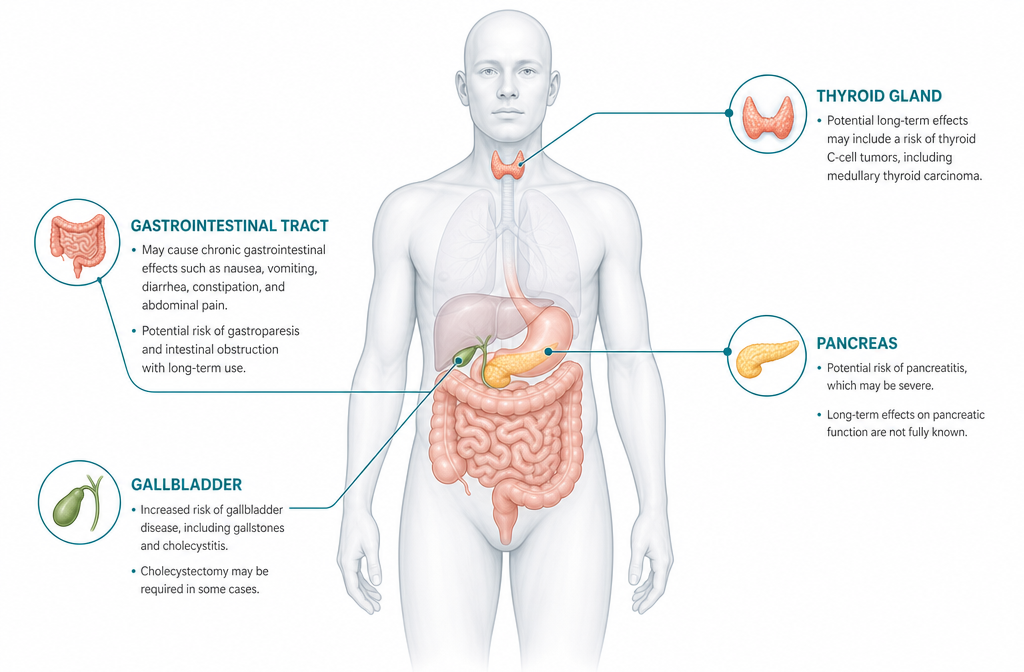
Quick Answer: Tirzepatide is generally well-tolerated, but its long-term side effects include persistent gastrointestinal issues, potential thyroid concerns, gallbladder complications, possible muscle mass changes, and metabolic adaptations that require ongoing monitoring. Most users experience the most intense side effects during dose escalation; effects often stabilise over time. Anyone using tirzepatide for extended periods should maintain regular check-ins with a healthcare professional.
Key Takeaways
- Gastrointestinal effects (nausea, vomiting, constipation, diarrhoea) are the most commonly reported side effects and can persist beyond the initial weeks for some users.
- Thyroid monitoring is recommended due to findings in animal studies linking GLP-1 receptor agonists to thyroid C-cell tumours, though human risk remains unconfirmed.
- Gallbladder disease, including gallstones, has been observed at higher rates in people using tirzepatide, particularly those who reduce caloric intake significantly.
- Muscle mass preservation is a genuine concern during rapid body composition changes; pairing tirzepatide with resistance exercise is strongly advised.
- Pancreatitis risk is a flagged concern with GLP-1-class medications, though it remains relatively rare.
- Hypoglycaemia is a risk primarily for those also taking insulin or sulphonylureas, not for most standalone users.
- Cardiovascular effects appear broadly positive in early data, but long-term human cardiovascular outcomes data is still accumulating.
- Rebound effects after stopping tirzepatide are a real consideration; lifestyle habits built during use are critical for maintaining results.
- Regular blood work and medical supervision are the most practical safeguards for anyone on tirzepatide long-term.
- Understanding tirzepatide long-term side effects empowers users to make informed decisions rather than react with alarm.
What Are the Most Common Tirzepatide Long Term Side Effects?
The most frequently reported tirzepatide long-term side effects are gastrointestinal in nature. For most users, nausea, constipation, and diarrhoea are most intense during the first few weeks of a new dose, then ease as the body adjusts. However, a subset of users experience these effects persistently across months of use.
Common GI side effects reported with extended tirzepatide use:
| Side Effect | Typical Onset | Typical Duration |
|---|---|---|
| Nausea | First 1–4 weeks of each dose increase | Often subsides within 4–8 weeks |
| Vomiting | Early dose escalation | Usually temporary; persistent cases are less common |
| Constipation | Throughout treatment | Can persist; dietary fibre and hydration help |
| Diarrhoea | Variable | Often intermittent |
| Reduced appetite | Ongoing | Intended effect; can become uncomfortable at high doses |
| Stomach discomfort / bloating | Variable | Often improves over time |
Practical note: Eating smaller meals, avoiding high-fat or spicy foods, and staying well-hydrated are the most effective day-to-day strategies for managing these effects. Users who push through dose escalations too quickly tend to report worse GI experiences.
Common mistake: Skipping meals entirely to avoid nausea often makes gastrointestinal discomfort worse, not better. Small, regular, low-fat meals are a more effective approach.
Does Tirzepatide Affect the Thyroid Over Time?
Thyroid safety is one of the most discussed concerns around tirzepatide long-term side effects, and it deserves a clear, honest answer. In animal studies, tirzepatide and similar GLP-1 receptor agonist medications were associated with thyroid C-cell tumours (medullary thyroid carcinoma, or MTC). It is not currently known whether tirzepatide causes thyroid tumours in humans.
Because of this, tirzepatide is contraindicated for people with:
- A personal or family history of medullary thyroid carcinoma (MTC)
- Multiple Endocrine Neoplasia syndrome type 2 (MEN 2)
Symptoms that warrant immediate medical attention:
- A lump or swelling in the neck
- Persistent hoarseness
- Difficulty swallowing
- Shortness of breath
⚠️ Important Medical Warning: Contact your healthcare provider promptly if you notice a lump or swelling in your neck, persistent hoarseness, difficulty swallowing, or shortness of breath. These symptoms may require medical evaluation. In animal studies, tirzepatide and similar medications were associated with thyroid tumours. It is not known whether TIRZEPARO® causes thyroid tumours or medullary thyroid carcinoma (MTC) in humans.
For users without the above risk factors, the current evidence does not establish a confirmed thyroid risk in humans. That said, periodic thyroid monitoring is a sensible precaution for anyone on long-term tirzepatide therapy.
What Happens to the Gallbladder With Long Term Use of Tirzepatide?
Gallbladder complications are a less-discussed but clinically relevant concern among tirzepatide long-term side effects. Rapid changes in body composition and significantly reduced caloric intake can increase the risk of gallstones (cholelithiasis) and gallbladder inflammation (cholecystitis).
This isn’t unique to tirzepatide; it’s a pattern seen across GLP-1 receptor agonists and in rapid body transformation generally. When the body processes less dietary fat, bile sits in the gallbladder longer and can crystallise.
Who is at higher risk:
- People who reduce caloric intake very aggressively
- Those with a prior history of gallbladder issues
- Users who lose body mass very rapidly
Symptoms to watch for:
- Sharp pain in the upper right abdomen
- Pain after eating fatty foods
- Nausea accompanying abdominal pain
- Fever with abdominal pain (suggests possible infection)
Risk reduction strategies:
- Avoid very-low-fat diets; include moderate healthy fats
- Stay well-hydrated
- Do not skip meals entirely for extended periods
- Report any upper abdominal pain to a healthcare provider promptly
Can Tirzepatide Cause Muscle Loss Over Time?
This is a legitimate concern for anyone focused on body composition management rather than just the number on a scale. When caloric intake drops significantly, the body can break down muscle tissue alongside fat stores, especially if protein intake and resistance exercise are insufficient.
Tirzepatide itself does not directly cause muscle breakdown, but the appetite suppression it produces can lead to lower overall food intake, which — without proper planning — may result in inadequate protein consumption.
How to protect muscle mass during tirzepatide use:
- Prioritise protein intake — aim for adequate daily protein based on your body weight and activity level (a registered dietitian can help set a personalised target).
- Incorporate resistance training — lifting weights or doing bodyweight exercises signals the body to preserve muscle tissue even in a caloric deficit.
- Avoid extreme caloric restriction — a moderate deficit is more sustainable and muscle-sparing than severe restriction.
- Monitor body composition, not just overall mass — a scale doesn’t distinguish between fat and muscle.
For a deeper look at how exercise complements tirzepatide, see our guide on tirzepatide and exercise for body transformation.
Choose this approach if: You want to achieve meaningful body composition changes while maintaining strength and metabolic rate long-term. The combination of tirzepatide and structured resistance training consistently outperforms tirzepatide alone for preserving lean mass.
Is Pancreatitis a Real Risk With Extended Tirzepatide Use?
Acute pancreatitis is listed as a potential risk with GLP-1 receptor agonist medications, including tirzepatide. It is relatively uncommon, but it is a serious condition that requires prompt medical attention.
Warning signs of pancreatitis:
- Severe, persistent abdominal pain (often radiating to the back)
- Pain that worsens after eating
- Nausea and vomiting accompanying the abdominal pain
- Fever
If any of these symptoms appear, stop taking tirzepatide and seek medical care immediately. Do not restart tirzepatide without medical clearance if pancreatitis has been confirmed.
Who should be particularly cautious:
- People with a prior history of pancreatitis
- Those with very high triglyceride levels (hypertriglyceridaemia)
- Heavy alcohol users
For most users without these risk factors, pancreatitis remains a rare outcome. Still, it’s one of the tirzepatide long-term side effects worth knowing about before starting treatment.
How Does Tirzepatide Affect Blood Sugar and Metabolic Function Long-Term?
Tirzepatide works as a dual GIP and GLP-1 receptor agonist, meaning it influences both insulin secretion and glucagon suppression. For people managing type 2 diabetes, this is a primary therapeutic benefit. For others, it means blood sugar regulation improves as part of the broader metabolic support the medication provides.
Long-term metabolic considerations:
- Hypoglycaemia risk is low for most users taking tirzepatide alone. The risk increases significantly when tirzepatide is combined with insulin or sulphonylurea medications. Users in this category need careful monitoring and possible dose adjustments to their other medications.
- Insulin sensitivity tends to improve with extended tirzepatide use, which is a positive metabolic outcome for most users.
- Lipid profiles (cholesterol and triglycerides) often improve alongside body composition changes, though this varies by individual.
Regular blood work — including fasting glucose, HbA1c, and a lipid panel — is the most practical way to track metabolic health over time.

What Are the Psychological and Behavioural Side Effects of Long-Term Tirzepatide Use?
This area is receiving increasing attention as more people use tirzepatide for extended periods. The appetite-suppressing effects of tirzepatide can shift a person’s relationship with food in ways that are mostly positive, but occasionally challenging.
Reported psychological and behavioural effects:
- Reduced food noise — many users describe a significant quieting of constant thoughts about food, which they find mentally freeing.
- Changed food preferences — some users report reduced enjoyment of previously favourite foods, particularly high-fat or high-sugar options.
- Mood changes — a small number of users report low mood or emotional flatness, though it’s not firmly established whether this is a direct drug effect or a response to other changes.
- Disordered eating patterns — appetite suppression can occasionally contribute to under-eating or irregular meal patterns, particularly in users without structured dietary guidance.
Practical safeguard: Working with a registered dietitian or nutritionist during long-term tirzepatide use helps ensure that reduced appetite doesn’t translate into nutritional deficiencies.
What Happens When You Stop Taking Tirzepatide Long Term?
Stopping tirzepatide after extended use is one of the most practically important topics for users to understand. The appetite-regulating effects of tirzepatide are not permanent; they diminish after the medication is discontinued.
What typically happens after stopping tirzepatide:
- Appetite often returns to pre-treatment levels within weeks
- Body composition changes may partially reverse without continued lifestyle habits in place
- Metabolic improvements (blood sugar, lipid levels) can regress if dietary habits don’t maintain them
This isn’t a reason to avoid tirzepatide; it’s a reason to use the time on tirzepatide to build sustainable habits. The medication creates a window of reduced hunger that makes it considerably easier to establish new eating patterns, increase activity, and reshape body composition.
For users considering their dosage options, Tirzeparo® 7.5mg and Tirzeparo® 10mg are common maintenance doses for those who have completed initial escalation and are focused on sustaining their progress.
Edge case: Some users find that a lower maintenance dose (rather than full cessation) helps sustain appetite management benefits while reducing side effect burden. This should always be discussed with a healthcare provider.
How Do Tirzepatide Long Term Side Effects Compare to Semaglutide?
Both tirzepatide and semaglutide are GLP-1 receptor agonists, so their side effect profiles overlap considerably. The key difference is that tirzepatide also activates GIP receptors, making it a dual agonist. This dual mechanism is associated with greater efficacy in body composition management in clinical trials, but it doesn’t dramatically alter the long-term side effect landscape.
| Side Effect Category | Tirzepatide | Semaglutide |
|---|---|---|
| GI effects (nausea, vomiting) | Common; often more pronounced initially | Common; similar profile |
| Thyroid C-cell concerns | Yes (animal data) | Yes (animal data) |
| Gallbladder complications | Yes | Yes |
| Pancreatitis risk | Yes (rare) | Yes (rare) |
| Muscle mass concerns | Yes (diet-dependent) | Yes (diet-dependent) |
| Cardiovascular effects | Broadly positive (emerging data) | Broadly positive (established data) |
For a more detailed comparison, see our article on tirzepatide vs semaglutide.
How to Monitor and Manage Tirzepatide Long Term Side Effects Safely
Managing tirzepatide long-term side effects isn’t about fear — it’s about being informed and proactive. The users who report the best experiences are those who approach the medication as one tool within a broader wellness strategy.
Recommended monitoring checklist for long-term tirzepatide users:
- ✅ Regular blood work every 3–6 months (glucose, HbA1c, lipids, kidney function)
- ✅ Thyroid check if symptoms develop (neck swelling, hoarseness, difficulty swallowing)
- ✅ Monitor for gallbladder symptoms, especially after dietary changes
- ✅ Track protein intake and maintain resistance exercise
- ✅ Report any severe or persistent abdominal pain immediately
- ✅ Discuss any mood changes with a healthcare provider
- ✅ Review all concurrent medications with a prescriber, particularly diabetes medications
Users exploring the full dosage range — from the 2.5mg starting dose through to the 15mg maximum dose — should be aware that higher doses are generally associated with greater efficacy and, in some cases, more pronounced side effects. The standard approach is gradual escalation to find the lowest effective dose.
For a full overview of available dosages and pricing, visit the Tirzeparo shop.
Tirzeparo acts as a bridge, providing direct access to affordable Tirzepatide by fulfilling orders through our network of EU partners. We are not a medical clinic; we are your sourcing solution. For any medical concerns about tirzepatide side effects, please consult a qualified healthcare professional.
Frequently Asked Questions About Tirzepatide Long Term Side Effects
Q: Do tirzepatide side effects get better over time?
A: For most users, yes. GI side effects like nausea and vomiting are typically most intense during the first few weeks of each dose increase and tend to ease as the body adapts. Persistent side effects beyond 8 weeks at a stable dose should be discussed with a healthcare provider.
Q: Can tirzepatide damage the kidneys long-term?
A: Current evidence does not indicate that tirzepatide directly damages kidneys. In fact, some data suggests potential kidney-protective effects through improved metabolic control. However, dehydration from vomiting or diarrhoea can stress the kidneys, so staying hydrated is important.
Q: Is hair loss a long-term side effect of tirzepatide?
A: Hair shedding (telogen effluvium) has been reported by some tirzepatide users. This is generally believed to be a response to rapid body composition changes and nutritional shifts rather than a direct drug effect. It typically resolves within a few months with adequate nutrition.
Q: Can you take tirzepatide indefinitely?
A: There is no established maximum duration for tirzepatide use in clinical guidelines, but long-term use requires ongoing medical supervision. The decision to continue, pause, or stop should be made with a healthcare provider based on individual health status and goals.
Q: Does tirzepatide affect fertility or hormones?
A: There is limited long-term data on tirzepatide’s effects on fertility. Tirzepatide is not recommended during pregnancy. Women of childbearing age should discuss contraception with their doctor, as body composition changes can affect hormonal balance and, in some cases, improve fertility in individuals with conditions like PCOS.
Q: What is the most serious long-term side effect of tirzepatide?
A: The most serious flagged concerns are thyroid C-cell tumours (based on animal data, unconfirmed in humans), acute pancreatitis, and gallbladder disease. These are relatively rare but require awareness and prompt medical attention if symptoms arise.
Q: Does tirzepatide cause cardiovascular problems long-term?
A: Early cardiovascular data on tirzepatide is broadly positive, showing improvements in blood pressure, lipid profiles, and metabolic markers. Long-term cardiovascular outcome trials are ongoing, and results are anticipated to add further clarity.
Q: Can I reduce my dose if side effects become too uncomfortable?
A: Yes. Dose reduction is a recognised management strategy for intolerable side effects. Discuss this with your healthcare provider rather than stopping abruptly. Many users find a lower maintenance dose balances efficacy and tolerability well. See the Tirzeparo dosage guide for more information on available options.
Conclusion: Taking a Clear Eyed Approach to Tirzepatide Long-Term Side Effects
Tirzepatide is one of the most effective tools currently available for metabolic health support and body composition management. Like any medication, it comes with a side effect profile that deserves honest attention rather than dismissal or exaggeration.
The most practical takeaways for anyone considering or currently using tirzepatide long-term:
- Know the common side effects (GI issues, appetite changes) and have strategies ready to manage them.
- Understand the serious but rare risks (thyroid concerns, pancreatitis, gallbladder disease) so you can act quickly if symptoms appear.
- Protect muscle mass through adequate protein and resistance exercise throughout your journey.
- Get regular blood work to monitor metabolic markers and catch any changes early.
- Build lasting habits during your time on tirzepatide, so that your body composition results are supported by sustainable lifestyle changes.
- Work with a healthcare professional for personalised guidance, especially if you have pre-existing conditions or take other medications.
For those in the UK and Ireland seeking affordable access to tirzepatide, Tirzeparo provides a straightforward sourcing solution with transparent pricing and discreet delivery. Whether you’re exploring the starting 2.5mg dose or maintaining progress at 12.5mg, the goal is the same: informed, supported, and empowered progress on your wellness journey.
Have questions? Get in touch with the Tirzeparo team.