Why Am I Not Losing Weight on Tirzepatide
Quick Answer
If you’re not seeing the body transformation results you expected on tirzepatide, you’re not alone. Several factors can slow or stall progress, including insufficient dosing, metabolic adaptation, inadequate calorie deficit, low protein intake, underlying medical conditions, or simply being in a normal plateau phase. Most cases of stalled progress can be addressed by reviewing your dose, reassessing your nutrition and activity habits, and ruling out medical factors that interfere with metabolic health support.
Key Takeaways
- Tirzepatide non-response is real, but most plateaus are temporary and can be resolved with adjustments to dosing, nutrition, or lifestyle habits.
- Metabolic adaptation—the body’s natural slowdown in energy expenditure during body composition changes—can occur even while taking tirzepatide and may explain stalled progress.
- Inadequate dose escalation is one of the most common reasons for limited results; many people need to reach a maintenance dose (10 mg, 12.5 mg, or 15 mg) before judging effectiveness.
- Hidden calories from drinks, snacks, or larger portions can quietly offset the appetite suppression tirzepatide provides, preventing a calorie deficit.
- Low protein intake (below 1–1.2 g per kg of body weight daily) can lead to muscle loss, which slows metabolism and masks fat reduction on the scale.
- Underlying conditions such as hypothyroidism, PCOS, sleep apnea, or severe insulin resistance can blunt tirzepatide’s effects and require medical evaluation.
- Certain medications, including some antidepressants and corticosteroids, may interfere with body composition management even when tirzepatide is used correctly.
- A plateau lasting 12–16 weeks at an appropriate maintenance dose warrants a comprehensive review with a healthcare provider.
- Combining tirzepatide with regular physical activity and strength training significantly improves outcomes and helps preserve lean muscle mass.
- Individual response varies widely; clinical trial averages do not predict every person’s experience, and slower progress does not always mean the medication has failed.
Understanding Why Am I Not Losing Weight on Tirzepatide
When you start tirzepatide with the expectation of significant body transformation, a stalled scale can feel frustrating and confusing. Tirzepatide is a dual GIP and GLP-1 receptor agonist designed to reduce hunger, help you feel fuller for longer, and support metabolic health—but it’s not a guaranteed solution for everyone, and progress can vary widely. If you’re asking “why am I not losing weight on tirzepatide,” the answer usually lies in one or more of several common factors: dosing, diet, activity, metabolism, or underlying health conditions.
Recent research published in Cell Metabolism confirms that tirzepatide does not meaningfully change metabolic adaptation compared with placebo after adjusting for the amount of body composition change. In other words, the body’s natural slowdown in energy expenditure—a well-documented response to calorie restriction and body transformation—still occurs during tirzepatide treatment.[1] This means that even with medication support, your body may burn fewer calories over time, making continued progress harder without adjustments to your nutrition or activity.
Understanding the reasons behind a plateau is the first step toward breaking through it. Most cases of stalled progress are not due to tirzepatide “stopping working” but rather to factors within your control or medical issues that can be identified and addressed.
How Long Does It Take for Tirzepatide to Start Working for Body Transformation
Tirzepatide typically begins to reduce appetite and support body composition changes within the first few weeks of treatment, but the timeline for visible results varies by individual. Most people notice appetite suppression within 1–2 weeks of their first injection, but meaningful changes on the scale usually take 4–8 weeks to become apparent, especially at lower starting doses like 2.5 mg or 5 mg.[2]
Clinical guidance suggests that tirzepatide is designed to be escalated gradually over several months. The starting dose (2.5 mg) is primarily for tolerability, not maximum effectiveness. Many people will need to reach a maintenance dose—typically 10 mg, 12.5 mg, or 15 mg—before experiencing the full metabolic health support the medication can provide.[3] If you’re still on a lower dose and haven’t seen significant progress, it may simply be too early to judge whether the medication is working for you.
Key timeline milestones:
- Weeks 1–2: Appetite suppression and reduced hunger typically begin.
- Weeks 4–8: Initial body composition changes become visible on the scale.
- Weeks 12–16: More substantial progress is expected, especially after dose escalation.
- Months 4–6: Most people reach a maintenance dose and see the majority of their results during this period.
If you’ve been on tirzepatide for less than 12 weeks or are still titrating up, patience and adherence to the dosing schedule are essential. For those who have been at a maintenance dose for several months without progress, a deeper evaluation is warranted.
What Is the Average Body Transformation Per Month on Tirzepatide
In clinical trials, participants using tirzepatide experienced average reductions of approximately 16% of their starting body weight on 5 mg, 21.4% on 10 mg, and 22.5% on 15 mg over the course of treatment (typically 40–72 weeks).[4] When broken down monthly, this translates to roughly 1–2 kg (2–4 pounds) per month on average, though individual results vary widely.
It’s important to understand that these are averages, not guarantees. Some people will see faster progress, while others will experience slower or more modest changes. Factors that influence individual response include starting weight, metabolic health, adherence to lifestyle changes, dose, and underlying medical conditions.
Realistic monthly expectations by dose:
| Dose | Average Monthly Progress | Notes |
|---|---|---|
| 2.5 mg | 0.5–1 kg (1–2 lbs) | Starting dose; primarily for tolerability |
| 5 mg | 1–1.5 kg (2–3 lbs) | Step-up dose; appetite suppression increases |
| 7.5 mg | 1.5–2 kg (3–4 lbs) | Maintenance dose for some individuals |
| 10 mg | 1.5–2.5 kg (3–5 lbs) | Common maintenance dose |
| 12.5 mg | 2–2.5 kg (4–5 lbs) | Higher maintenance dose |
| 15 mg | 2–3 kg (4–6 lbs) | Maximum dose; strongest appetite suppression |
If your progress is significantly below these ranges after several months at a maintenance dose, it’s worth investigating the reasons why. Slower progress does not always mean failure, but it may signal the need for adjustments.
Tirzepatide vs Semaglutide: Which Is Better for Body Transformation
Both tirzepatide and semaglutide are highly effective for body composition management, but tirzepatide has shown slightly superior results in head-to-head clinical trials. Tirzepatide is a dual GIP and GLP-1 receptor agonist, while semaglutide is a GLP-1 receptor agonist only. The addition of GIP activity in tirzepatide appears to enhance metabolic effects and appetite suppression for many people.[4]
In the SURPASS-2 trial, tirzepatide (10 mg and 15 mg doses) led to greater body composition changes compared with semaglutide 1 mg. However, individual response varies, and some people may respond better to semaglutide depending on their unique physiology and health profile.
Key differences:
- Mechanism: Tirzepatide targets both GIP and GLP-1 receptors; semaglutide targets GLP-1 only.
- Average results: Tirzepatide tends to produce slightly greater body transformation on average.
- Side effects: Both medications share similar side effect profiles (nausea, vomiting, diarrhea), though some people tolerate one better than the other.
- Dosing: Tirzepatide is escalated gradually from 2.5 mg to 15 mg; semaglutide is escalated from 0.25 mg to 2.4 mg.
If you’re not seeing results on tirzepatide, switching to semaglutide is unlikely to solve the problem unless the issue is related to tolerability or side effects. Instead, focus on optimizing your current treatment by addressing dose, diet, and lifestyle factors. For a detailed comparison, see our guide on tirzepatide vs semaglutide.
Am I Eating Too Many Calories While on Tirzepatide
One of the most common reasons for stalled progress on tirzepatide is consuming more calories than you realize, even with appetite suppression. Tirzepatide helps reduce hunger and makes you feel fuller for longer, but it does not eliminate the need for a calorie deficit. If your calorie intake matches or exceeds your energy expenditure, body composition changes will stall regardless of medication.[2][4]
Common sources of hidden calories:
- Liquid calories: Juices, smoothies, lattes, alcohol, and sugary drinks can add hundreds of calories without triggering fullness.
- Snacking: Small, frequent snacks—even healthy ones like nuts or dried fruit—can add up quickly.
- Portion creep: Over time, portion sizes may gradually increase without conscious awareness.
- Cooking oils and condiments: Oils, butter, salad dressings, and sauces are calorie-dense and easy to underestimate.
- Weekend eating: Many people eat significantly more on weekends, offsetting weekday progress.
How to identify and fix the problem:
- Track your food for one week. Use a food diary or app to log everything you eat and drink, including portion sizes.
- Calculate your maintenance calories. Use an online calculator to estimate your total daily energy expenditure (TDEE).
- Aim for a moderate deficit. A deficit of 300–500 calories per day is sustainable and effective for most people.
- Prioritize whole foods. Focus on lean proteins, vegetables, whole grains, and healthy fats that promote satiety.
- Limit liquid calories. Drink water, black coffee, or unsweetened tea instead of calorie-containing beverages.
Even with tirzepatide’s appetite-suppressing effects, mindful eating and portion control remain essential for continued progress.
Does Tirzepatide Stop Working After a Few Months
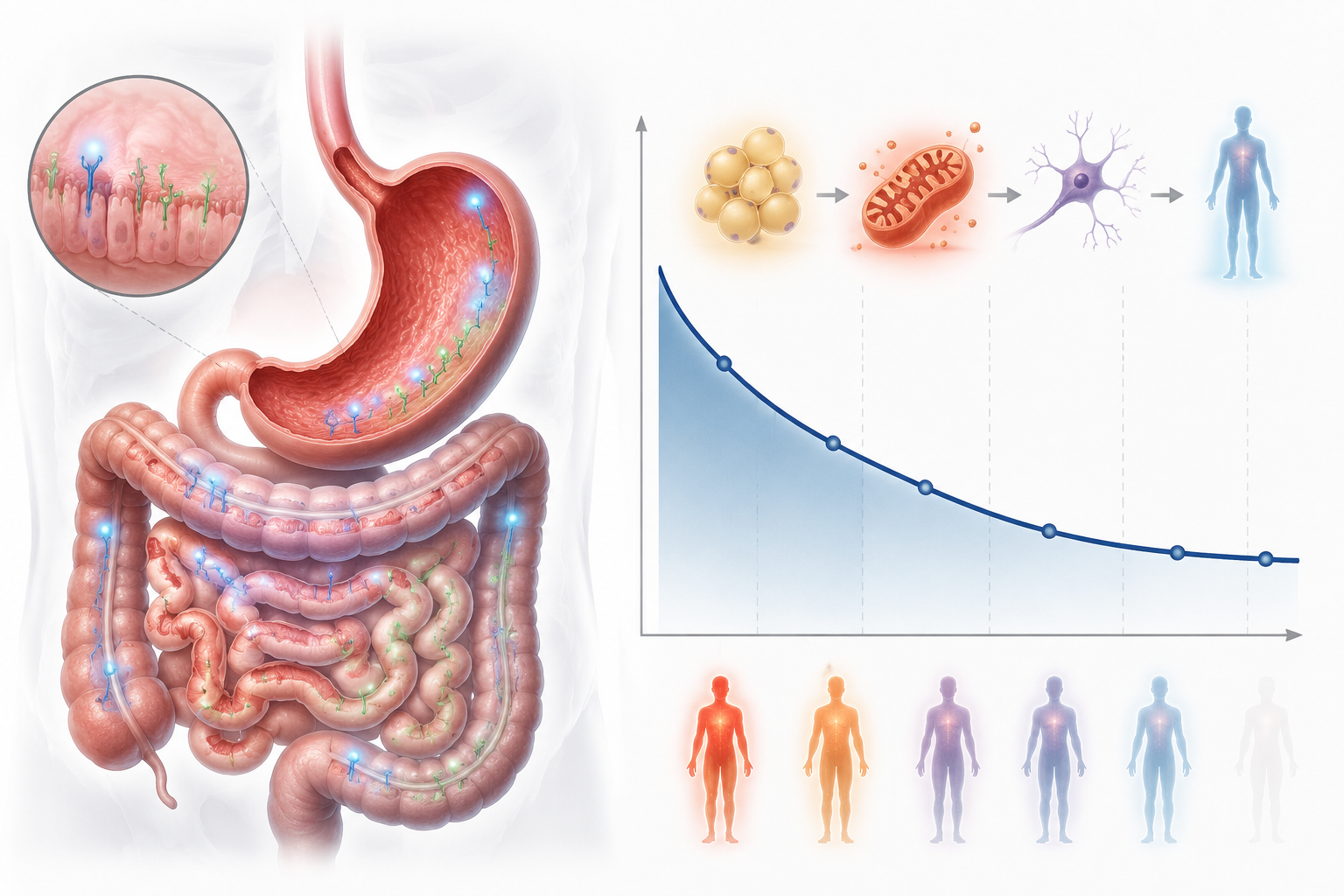
Tirzepatide does not typically “stop working” in the sense of losing its pharmacological effect, but many people experience a plateau after several months of treatment. This plateau is usually due to metabolic adaptation, not medication failure. As your body composition changes, your body requires fewer calories to maintain its new weight, and your metabolic rate naturally slows down.[1][6]
Recent research confirms that tirzepatide does not prevent metabolic adaptation. In both animal and human studies, tirzepatide treatment did not significantly alter the slowdown in sleeping metabolic rate or 24-hour energy expenditure that occurs during body transformation.[1] This means that even with medication support, your body will burn fewer calories over time, making continued progress harder without adjustments.
Why plateaus happen:
- Metabolic adaptation: Your body burns fewer calories at rest as you lose weight.
- Reduced activity: People often move less as they lose weight, further lowering energy expenditure.
- Calorie creep: Portion sizes and snacking may gradually increase over time.
- Muscle loss: If protein intake is too low, muscle loss can slow metabolism.
- Hormonal changes: Hunger hormones like ghrelin may increase after prolonged calorie restriction.
How to break through a plateau:
- Increase your dose (if you’re not yet at a maintenance dose).
- Reassess your calorie intake and ensure you’re still in a deficit.
- Increase protein intake to preserve muscle mass.
- Add or increase physical activity, especially strength training.
- Review your sleep and stress levels, as both can affect metabolism and hunger.
If you’ve been at a maintenance dose for 12–16 weeks without progress, consult a healthcare provider to rule out underlying medical issues or consider alternative strategies.
What Dose of Tirzepatide Is Most Effective for Body Transformation
The most effective dose of tirzepatide varies by individual, but clinical trials show that higher doses generally produce greater body composition changes. The maximum dose of 15 mg has been associated with the most substantial results, with an average reduction of 22.5% of starting body weight over 40–72 weeks.[4] However, many people achieve excellent results on 10 mg or 12.5 mg, and the optimal dose depends on your response, tolerability, and health goals.
Tirzepatide is designed to be escalated gradually to minimize side effects and allow your body to adjust. The standard titration schedule is:
- 2.5 mg for 4 weeks (starting dose)
- 5 mg for 4 weeks (step-up dose)
- 7.5 mg for 4 weeks (optional)
- 10 mg for 4 weeks or longer (common maintenance dose)
- 12.5 mg for 4 weeks or longer (higher maintenance dose)
- 15 mg ongoing (maximum dose)
If you’re not seeing results on a lower dose, it may be because you haven’t yet reached the dose that provides sufficient appetite suppression and metabolic support for your body. Many people need to reach at least 10 mg before experiencing the full benefits of tirzepatide.[3]
Choosing the right dose:
- If you’re on 2.5 mg or 5 mg: Continue escalating as planned; these are not maintenance doses.
- If you’re on 7.5 mg or 10 mg: Give the dose at least 8–12 weeks before judging effectiveness.
- If you’re on 12.5 mg or 15 mg: If progress has stalled, focus on diet, activity, and medical factors rather than increasing the dose further.
For more information on dosing, see our tirzepatide dosage chart.
Common Mistakes People Make When Taking Tirzepatide for Body Transformation
Even with tirzepatide’s powerful appetite-suppressing effects, several common mistakes can sabotage your progress. Recognizing and correcting these errors can make the difference between stalled results and continued success.
1. Not escalating the dose properly
Many people stay on the starting dose (2.5 mg) for too long or skip doses during escalation. Tirzepatide is designed to be titrated gradually, and the starting dose is primarily for tolerability, not maximum effectiveness.[3]
2. Eating too few calories
Paradoxically, eating too little can slow metabolism and lead to muscle loss, which makes further progress harder. Very low-calorie diets (below 1,200 calories per day for most people) can trigger metabolic adaptation and nutrient deficiencies.[5]
3. Not eating enough protein
Protein is essential for preserving lean muscle mass during body transformation. Aim for at least 1–1.2 g of protein per kg of body weight daily (roughly 70–90 g for a 70 kg person).[2] Low protein intake can lead to muscle loss, which slows metabolism and makes the scale stall.
4. Ignoring liquid calories
Drinks like juice, soda, alcohol, and sweetened coffee can add hundreds of calories without triggering fullness. Stick to water, black coffee, or unsweetened tea whenever possible.[4]
5. Not tracking food intake
Many people underestimate how much they’re eating, especially when appetite is suppressed. Tracking your food for even one week can reveal hidden calories and portion creep.[2]
6. Skipping physical activity
While tirzepatide can support body composition changes without exercise, adding regular activity—especially strength training—significantly improves results and helps preserve muscle mass. For more on this, see our guide on tirzepatide and exercise.
7. Not addressing underlying medical conditions
Conditions like hypothyroidism, PCOS, sleep apnea, and insulin resistance can interfere with body transformation even when tirzepatide is used correctly. If you suspect an underlying issue, consult a healthcare provider.[6]
8. Expecting linear progress
Body transformation is rarely linear. Plateaus, fluctuations, and slower weeks are normal and do not mean the medication has stopped working. Focus on long-term trends rather than daily or weekly changes.
Can You Be Resistant to Tirzepatide
True resistance to tirzepatide is rare, but some people do experience a blunted response or minimal results even at higher doses. This phenomenon is not fully understood, but it may be related to genetic factors, receptor sensitivity, underlying metabolic conditions, or other medications that interfere with tirzepatide’s effects.[5][6]
Factors that may contribute to poor response:
- Severe insulin resistance: People with very high insulin levels or advanced metabolic dysfunction may respond less robustly to tirzepatide.
- Genetic variations: Differences in GLP-1 and GIP receptor genes may affect how well tirzepatide works for some individuals.
- Underlying medical conditions: Hypothyroidism, PCOS, Cushing’s syndrome, and other hormonal disorders can blunt the medication’s effects.
- Medications: Some antidepressants, antipsychotics, corticosteroids, and other drugs can promote body composition changes in the opposite direction, offsetting tirzepatide’s benefits.[6]
- Gut microbiome: Emerging research suggests that gut bacteria may influence GLP-1 and GIP signaling, though this area is still being studied.
If you’ve been on a maintenance dose (10 mg or higher) for 12–16 weeks with minimal progress, and you’ve ruled out diet, activity, and lifestyle factors, consult a healthcare provider. They may recommend additional testing (thyroid function, insulin levels, cortisol, etc.) or consider alternative treatments.
Do I Need to Exercise on Tirzepatide to Achieve Body Transformation
You do not strictly need to exercise to see body composition changes on tirzepatide, but adding physical activity—especially strength training—significantly improves results and helps preserve lean muscle mass. Clinical trials of tirzepatide included participants who did not follow structured exercise programs, and they still experienced substantial body transformation.[4] However, those who combine medication with regular activity tend to see better outcomes, faster progress, and improved metabolic health markers.
Benefits of exercise while on tirzepatide:
- Preserves muscle mass: Strength training helps prevent muscle loss, which is common during body transformation and can slow metabolism.
- Increases calorie burn: Activity raises your total daily energy expenditure, making it easier to maintain a calorie deficit.
- Improves insulin sensitivity: Exercise enhances metabolic health and can amplify tirzepatide’s effects.
- Supports long-term maintenance: People who exercise regularly are more likely to maintain their results after stopping medication.
- Boosts mood and energy: Physical activity improves mental health, which can support adherence to your wellness journey.
Recommended activity levels:
- Cardiovascular exercise: Aim for 150–300 minutes of moderate-intensity activity per week (brisk walking, cycling, swimming).
- Strength training: Perform resistance exercises (weights, bodyweight exercises, resistance bands) at least 2–3 times per week.
- Daily movement: Increase non-exercise activity by taking the stairs, walking more, and reducing sedentary time.
If you’re not currently active, start slowly and build up gradually. Even small increases in daily movement can make a meaningful difference over time.
Why Did I Stop Achieving Body Transformation on Tirzepatide After Initial Success
Experiencing rapid progress in the first few months followed by a plateau is one of the most common patterns on tirzepatide. This happens because your body adapts to the new lower weight, your metabolic rate slows down, and the calorie deficit that initially drove progress becomes smaller or disappears entirely.[1][6]
Why initial success often slows:
- Metabolic adaptation: As you lose weight, your body requires fewer calories to maintain its new weight. Research shows that tirzepatide does not prevent this natural slowdown in energy expenditure.[1]
- Reduced activity: Many people unconsciously move less as they lose weight, further lowering calorie burn.
- Calorie creep: Portion sizes and snacking may gradually increase over time, especially as appetite suppression becomes less noticeable.
- Muscle loss: If protein intake is too low, muscle loss can slow metabolism and make further progress harder.
- Hormonal changes: Hunger hormones like ghrelin may increase after prolonged calorie restriction, making it harder to maintain a deficit.
How to restart progress:
- Recalculate your calorie needs. Your maintenance calories are now lower, so you need to adjust your intake accordingly.
- Increase protein intake. Aim for at least 1–1.2 g per kg of body weight daily to preserve muscle mass.
- Add or increase physical activity. Strength training is especially important for maintaining metabolism.
- Review your dose. If you’re not yet at a maintenance dose, continue escalating as planned.
- Track your food for one week. Identify any hidden calories or portion creep.
- Be patient. Plateaus are normal and do not mean the medication has stopped working.
If you’ve made these adjustments and still see no progress after 8–12 weeks, consult a healthcare provider to rule out underlying medical issues.
Is Tirzepatide Right for Everyone Trying to Achieve Body Transformation
Tirzepatide is not right for everyone, and some people may not respond well to the medication due to medical contraindications, underlying health conditions, or individual physiology. While tirzepatide is highly effective for many people, it’s important to understand who is most likely to benefit and who should avoid it.
Who is a good candidate for tirzepatide:
- Adults with a BMI of 30 or higher, or a BMI of 27 or higher with at least one metabolic health condition (such as type 2 diabetes, high blood pressure, or high cholesterol).
- People who have struggled to achieve body transformation through diet and exercise alone.
- Individuals who are committed to making lifestyle changes alongside medication.
- Those who can afford the medication and are willing to use it long-term for best results.
Who should avoid tirzepatide:
- People with a personal or family history of medullary thyroid carcinoma (MTC) or multiple endocrine neoplasia syndrome type 2 (MEN 2).
- Individuals with a history of severe pancreatitis.
- Pregnant or breastfeeding women.
- People with severe gastrointestinal disease or gastroparesis.
- Those with a history of severe allergic reactions to tirzepatide or similar medications.
Important Medical Warning: Contact your healthcare provider promptly if you notice a lump or swelling in your neck, persistent hoarseness, difficulty swallowing, or shortness of breath. These symptoms may require medical evaluation. In animal studies, tirzepatide and similar medications were associated with thyroid tumors. It is not known whether tirzepatide causes thyroid tumors or medullary thyroid carcinoma (MTC) in humans. You must be 18+ to use our service.
If you’re unsure whether tirzepatide is right for you, consult a healthcare provider to discuss your medical history, current medications, and health goals.
How to Break a Body Transformation Plateau on Tirzepatide
Breaking through a plateau on tirzepatide requires a systematic approach to identify and address the underlying cause. Most plateaus are temporary and can be resolved with adjustments to your dose, diet, activity, or lifestyle habits.
Step-by-step troubleshooting guide:
1. Review your dose
- If you’re on 2.5 mg, 5 mg, or 7.5 mg, continue escalating as planned.
- If you’re on 10 mg or higher, give the dose at least 8–12 weeks before making changes.
2. Track your food intake for one week
- Log everything you eat and drink, including portion sizes.
- Calculate your total daily calorie intake and compare it to your estimated maintenance calories.
- Identify hidden calories from drinks, snacks, oils, and condiments.
3. Increase protein intake
- Aim for at least 1–1.2 g of protein per kg of body weight daily.
- Include a source of lean protein at every meal (chicken, fish, eggs, tofu, Greek yogurt, legumes).
4. Add or increase physical activity
- Aim for at least 150 minutes of moderate-intensity cardio per week.
- Add strength training 2–3 times per week to preserve muscle mass.
- Increase daily movement by walking more, taking the stairs, and reducing sedentary time.
5. Review your sleep and stress levels
- Aim for 7–9 hours of quality sleep per night.
- Manage stress through mindfulness, meditation, or other relaxation techniques.
- Poor sleep and chronic stress can increase cortisol levels, which can interfere with body transformation.
6. Rule out underlying medical conditions
- If you’ve made all the above adjustments and still see no progress after 8–12 weeks, consult a healthcare provider.
- Ask for blood tests to check thyroid function, insulin levels, cortisol, and other metabolic markers.
7. Consider medication interactions
- Review all medications and supplements with your healthcare provider to identify any that may interfere with body transformation.
8. Be patient and consistent
- Plateaus are normal and do not mean the medication has stopped working.
- Focus on long-term trends rather than daily or weekly fluctuations.
- Stay consistent with your dose, diet, and activity habits.
For more strategies, see our guide on tirzepatide and exercise.
What Medications Interfere with Tirzepatide Body Transformation
Several medications can interfere with body transformation even when tirzepatide is used correctly. These drugs may promote changes in the opposite direction, increase appetite, slow metabolism, or interfere with tirzepatide’s effects. If you’re taking any of these medications and experiencing a plateau, discuss alternatives with your healthcare provider.[6]
Common medications that may interfere:
Antidepressants:
- Tricyclic antidepressants (amitriptyline, nortriptyline)
- Monoamine oxidase inhibitors (MAOIs)
- Some SSRIs (paroxetine, citalopram)
- Mirtazapine
Antipsychotics:
- Olanzapine
- Clozapine
- Quetiapine
- Risperidone
Mood stabilizers:
- Lithium
- Valproate
Diabetes medications:
- Insulin (especially if doses are too high)
- Sulfonylureas (glipizide, glyburide)
- Thiazolidinediones (pioglitazone, rosiglitazone)
Corticosteroids:
- Prednisone
- Dexamethasone
- Hydrocortisone
Antihistamines:
- Cyproheptadine
Beta-blockers:
- Propranolol
- Metoprolol
- Atenolol
Hormonal contraceptives:
- Some birth control pills may cause modest changes in body composition for some individuals.
If you’re taking any of these medications, do not stop them without consulting your healthcare provider. In many cases, alternative medications or dose adjustments can help minimize interference with your body transformation goals.
Should I Increase My Tirzepatide Dose If I’m Not Achieving Body Transformation
If you’re not seeing results on tirzepatide, increasing your dose may be appropriate—but only if you’re not yet at a maintenance dose and you’ve given your current dose enough time to work. Tirzepatide is designed to be escalated gradually, and many people need to reach at least 10 mg before experiencing the full benefits of the medication.[3]
When to increase your dose:
- You’re currently on 2.5 mg, 5 mg, or 7.5 mg (these are not maintenance doses).
- You’ve been on your current dose for at least 4 weeks.
- You’re tolerating the medication well with minimal side effects.
- You’ve already optimized your diet, activity, and lifestyle habits.
When NOT to increase your dose:
- You’re already on 12.5 mg or 15 mg (the maximum dose).
- You’ve been on your current dose for less than 4 weeks.
- You’re experiencing significant side effects (nausea, vomiting, diarrhea).
- You haven’t yet addressed diet, activity, or lifestyle factors.
How to decide:
- Review your current dose and duration. If you’re on a lower dose and it’s been at least 4 weeks, escalate as planned.
- Assess your appetite suppression. If you’re still experiencing significant hunger, a higher dose may help.
- Evaluate your progress. If you’ve seen some progress but it’s slower than expected, continue with your current dose and focus on diet and activity.
- Consult a healthcare provider. If you’re unsure whether to increase your dose, seek professional guidance.
For more information on dosing, see our guides on tirzepatide 2.5mg, tirzepatide 5mg, tirzepatide 7.5mg, tirzepatide 10mg, tirzepatide 12.5mg, and tirzepatide 15mg.
Frequently Asked Questions
How long should I wait before deciding tirzepatide isn’t working?
Give tirzepatide at least 12–16 weeks at a maintenance dose (10 mg or higher) before deciding it isn’t working. Early plateaus are common and do not mean the medication has failed. If you’re still on a lower dose, continue escalating as planned.[3][5]
Can I lose body composition on tirzepatide without exercise?
Yes, many people achieve body transformation on tirzepatide without structured exercise. However, adding physical activity—especially strength training—significantly improves results, preserves muscle mass, and supports long-term maintenance.[4]
Why am I gaining body composition on tirzepatide?
Gaining body composition on tirzepatide is uncommon but can happen if you’re consuming more calories than you burn, retaining water, or experiencing side effects that reduce activity. Review your diet, track your food intake, and consult a healthcare provider if the trend continues.
Is it normal to plateau on tirzepatide after a few months?
Yes, plateaus are normal and occur due to metabolic adaptation, reduced activity, or calorie creep. Most plateaus can be broken by adjusting your diet, increasing activity, or escalating your dose if you’re not yet at a maintenance level.[1][6]
Can stress or lack of sleep affect body transformation on tirzepatide?
Yes, chronic stress and poor sleep can increase cortisol levels, which may interfere with body transformation and increase appetite. Aim for 7–9 hours of quality sleep per night and manage stress through relaxation techniques.[6]
Should I take a break from tirzepatide if I hit a plateau?
No, taking a break from tirzepatide is not recommended for breaking a plateau. Instead, focus on adjusting your diet, activity, and dose. Stopping the medication may lead to regain and make it harder to restart progress.[5]
Can I switch from tirzepatide to semaglutide if I’m not seeing results?
Switching to semaglutide is unlikely to solve the problem unless the issue is related to tolerability or side effects. Both medications work similarly, and if tirzepatide isn’t working, the issue is more likely related to dose, diet, or underlying medical factors. For a detailed comparison, see our guide on the difference between semaglutide and tirzepatide.
How much protein should I eat on tirzepatide?
Aim for at least 1–1.2 g of protein per kg of body weight daily (roughly 70–90 g for a 70 kg person). Protein helps preserve muscle mass, supports metabolism, and promotes satiety.[2]
Can I drink alcohol while taking tirzepatide?
Moderate alcohol consumption is generally safe on tirzepatide, but alcohol is calorie-dense and can slow progress. Limit intake to occasional, small amounts, and avoid sugary cocktails and high-calorie drinks.
What should I do if I experience severe side effects on tirzepatide?
If you experience severe side effects such as persistent vomiting, severe abdominal pain, or signs of pancreatitis, contact your healthcare provider immediately. For common side effects like nausea, see our guide on tirzepatide nausea and vomiting.
Can I use tirzepatide long-term?
Yes, tirzepatide is designed for long-term use. Clinical trials have demonstrated safety and efficacy for up to 72 weeks, and many people continue treatment beyond that to maintain their results. For more on long-term use, see our guide on tirzepatide long-term side effects.
Where can I buy affordable tirzepatide in the UK?
Tirzeparo provides direct access to affordable tirzepatide through our network of trusted EU partners. We offer transparent pricing starting at £169 for 2.5 mg, with discreet home delivery and no hidden fees. Shop now or learn more about where to buy tirzepatide online.
Conclusion
If you’re asking “why am I not losing weight on tirzepatide,” the answer is rarely simple—but it’s almost always solvable. Most cases of stalled progress are due to insufficient dosing, hidden calories, low protein intake, metabolic adaptation, or underlying medical conditions, not medication failure. By systematically reviewing your dose, diet, activity, and health status, you can identify the factors holding you back and make the adjustments needed to restart your body transformation journey.
Remember that tirzepatide is a powerful tool for metabolic health support and appetite management, but it works best when combined with a balanced diet, regular physical activity, and consistent lifestyle habits. Plateaus are normal, and slower progress does not mean the medication has stopped working. Be patient, stay consistent, and seek professional guidance if you’ve made all the recommended adjustments without results.
Next steps:
- Review your current dose. If you’re on 2.5 mg, 5 mg, or 7.5 mg, continue escalating as planned.
- Track your food intake for one week to identify hidden calories and ensure you’re in a calorie deficit.
- Increase protein intake to at least 1–1.2 g per kg of body weight daily.
- Add or increase physical activity, especially strength training, to preserve muscle mass and boost metabolism.
- Consult a healthcare provider if you’ve been at a maintenance dose for 12–16 weeks without progress, or if you suspect an underlying medical condition.
Sourcing Disclaimer: Tirzeparo acts as a bridge, providing direct access to affordable tirzepatide by fulfilling orders through our network of EU partners. We are not a medical clinic; we are your sourcing solution.
Ready to take control of your metabolic health journey? Explore our affordable tirzepatide options and start your body transformation today.
References
[1] S1550413125001147 – https://www.sciencedirect.com/science/article/abs/pii/S1550413125001147
[2] Not Losing Weight On Tirzepatide – https://ro.co/weight-loss/not-losing-weight-on-tirzepatide/
[3] Why Am I Not Losing Weight On Zepbound – https://www.fellahealth.com/guide/why-am-i-not-losing-weight-on-zepbound
[4] Not Losing Weight On Tirzepatide Heres Why And What To Do – https://www.faynutrition.com/post/not-losing-weight-on-tirzepatide-heres-why-and-what-to-do
[5] Why Not Losing Weight On Tirzepatide – https://www.seekpeptides.com/blog/articles/why-not-losing-weight-on-tirzepatide
[6] Tirzepatide Stalled Plateau Body Approved Steps 4223e2 – https://ubiehealth.com/doctors-note/tirzepatide-stalled-plateau-body-approved-steps-4223e2
[7] Why Am I Not Losing Weight On Tirzepatide – https://www.trimbodymd.com/faqs/why-am-i-not-losing-weight-on-tirzepatide/