
What Foods Should You Avoid on Tirzepatide
Quick Answer
Knowing what foods should you avoid on tirzepatide is essential for managing side effects and supporting your body composition goals. The main categories to limit or cut out are high-fat and fried foods, sugary snacks and drinks, refined carbohydrates, ultra-processed foods, alcohol, and carbonated beverages. These choices can worsen nausea, disrupt blood sugar balance, and reduce how well the medication supports your appetite management.
Key Takeaways
- High-fat and fried foods slow digestion further and are the most common trigger for nausea and bloating on tirzepatide [1]
- Sugary foods and drinks cause blood sugar spikes that work against tirzepatide’s metabolic support function [2]
- Alcohol combines poorly with tirzepatide, adding empty calories and raising the risk of unpredictable blood sugar changes [2]
- Refined carbohydrates like white bread and pastries drive hunger back up, counteracting the appetite-reducing effects of the medication [2]
- Carbonated drinks can cause uncomfortable bloating and should be swapped for still water [4]
- Smaller, more frequent meals are far better tolerated than large portions, especially in the first weeks of treatment [5]
- High-fibre foods like raw cruciferous vegetables may need to be introduced gradually during dose escalation [6]
- Lean protein (aim for roughly 25-30g per meal) helps preserve muscle while supporting the body composition changes tirzepatide can assist with [3]
- Spicy and acidic foods are personal triggers — monitor your own tolerance rather than avoiding them entirely [1]
- There is no clinical evidence requiring you to avoid bananas or most whole fruits; focus on overall dietary patterns instead [7]
Why Does Tirzepatide Make You Feel Sick After Eating Certain Foods?
Tirzepatide works by mimicking two gut hormones — GIP and GLP-1 — that naturally slow gastric emptying and signal fullness to the brain. Because food moves more slowly through your digestive system, anything that is already hard to digest (think greasy, fatty, or very rich meals) sits in the stomach longer than usual. The result is nausea, bloating, and sometimes vomiting.
This is not an allergic reaction or a food-drug interaction in the traditional pharmaceutical sense. It is a mechanical effect: the stomach is simply less capable of handling heavy meals at its normal pace. Understanding this mechanism is the foundation for answering what foods should you avoid on tirzepatide — because the foods that cause the most trouble are almost always the ones that demand the most digestive effort.
Common post-meal symptoms on tirzepatide and their likely causes:
| Symptom | Most likely food trigger |
|---|---|
| Nausea | Fried foods, high-fat meals, large portions |
| Bloating | Carbonated drinks, raw cruciferous vegetables, beans |
| Acid reflux | Spicy foods, citrus, alcohol, caffeine |
| Blood sugar crash | Sugary snacks, white bread, sugary drinks |
| Prolonged fullness/discomfort | Oversized portions, fatty meats |
For a broader look at how the medication behaves in your body, the guide on tirzepatide side effects covers the full picture.
Does Tirzepatide Make You Sensitive to Certain Foods?
Yes — tirzepatide does increase sensitivity to certain food types, particularly those that are high in fat, highly processed, or consumed in large quantities. This sensitivity is not an allergy; it is a direct consequence of slowed gastric emptying and heightened gut hormone activity.
Most users notice this sensitivity most strongly in the first four to eight weeks of treatment and again after each dose increase. The foods that tend to cause the sharpest reactions are:
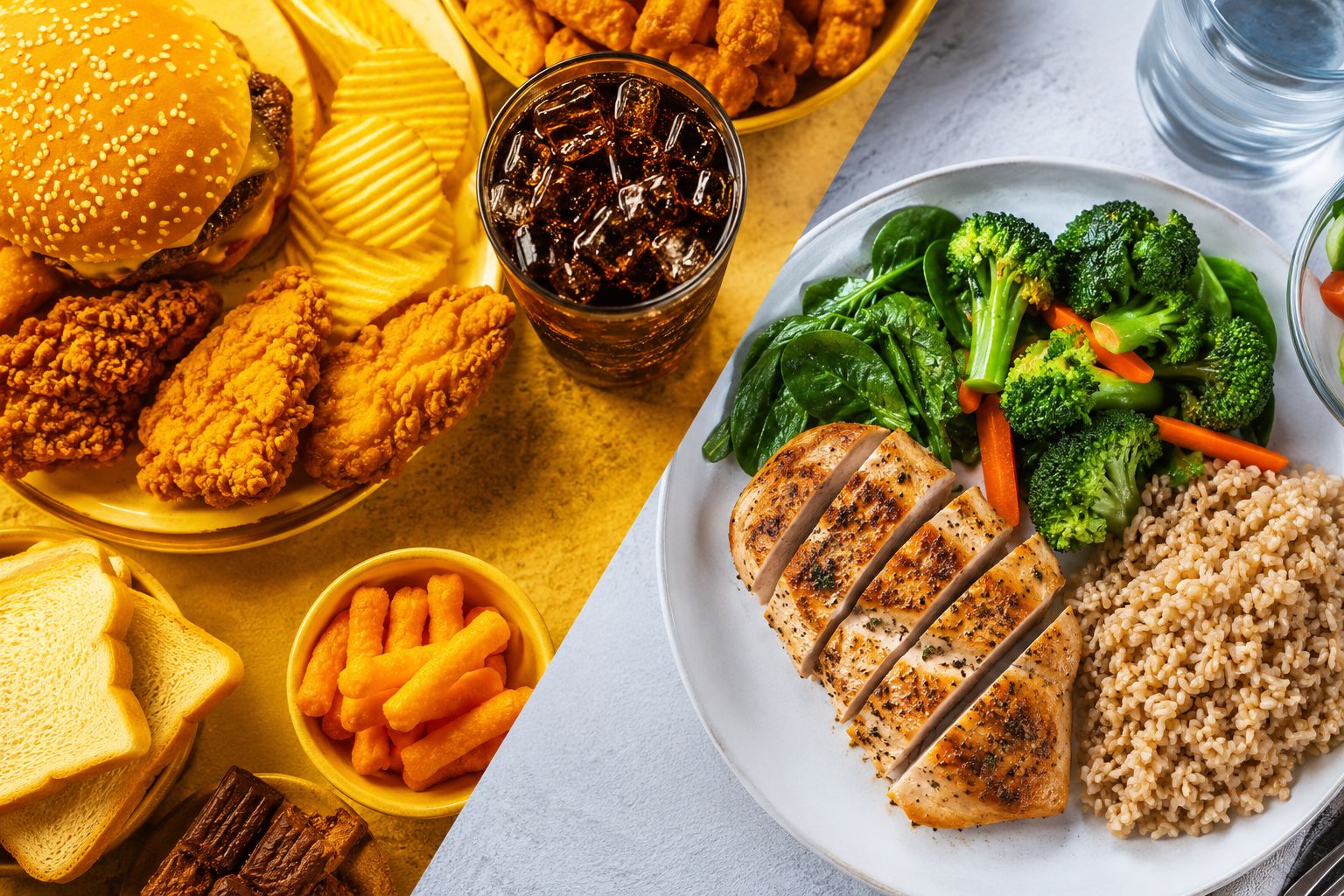
- Fried and greasy foods (chips, fried chicken, pastries cooked in oil)
- Very spicy dishes (curries, chillies, hot sauces)
- Acidic foods (citrus juices, tomato-heavy sauces, vinegar-based dressings)
- Very sweet foods eaten in large amounts (cakes, sweets, sugary cereals)
Decision rule: If a food already felt heavy or slightly uncomfortable before starting tirzepatide, it will almost certainly feel worse on it. Use that as your personal guide.
If nausea is a persistent concern, the dedicated resource on tirzepatide nausea and vomiting offers practical management strategies.
What Foods Cause Side Effects When Taking Mounjaro (Tirzepatide)?
The foods most consistently linked to side effects when taking tirzepatide (the active ingredient in Mounjaro) fall into five clear categories.
1. High-fat and fried foods
These are the single biggest culprit. Fried chicken, chips, doughnuts, and anything cooked in large amounts of oil are hard to digest at the best of times. On tirzepatide, they sit in a stomach that is already emptying slowly, dramatically increasing the risk of nausea, reflux, and prolonged discomfort [1].
2. Sugary foods and drinks
Sweets, cakes, biscuits, fruit juices, and fizzy drinks cause rapid blood sugar spikes. Tirzepatide is designed to support steadier glucose management, and high-sugar foods directly undermine that process [2].
3. Refined carbohydrates
White bread, white rice, regular pasta, and most shop-bought pastries digest quickly, spike insulin, and leave you hungry again faster — which works against the appetite management benefits of the medication [2].
4. Ultra-processed foods
Packaged snacks, processed meats (sausages, deli meats), instant noodles, and ready meals tend to be high in sodium, unhealthy fats, and artificial additives. These can worsen water retention and slow your body composition progress [3].
5. Carbonated beverages
Sparkling water, fizzy drinks, and sodas introduce gas into a digestive system that is already working more slowly than usual, causing uncomfortable bloating [4].
Can I Drink Alcohol While on Tirzepatide?
Alcohol is best limited significantly, and ideally avoided altogether, while taking tirzepatide. It is not a hard contraindication in the way some drug interactions are, but the combination creates several compounding problems.
- Blood sugar unpredictability: Alcohol can cause blood sugar to drop unexpectedly, and tirzepatide’s glucose-regulating effects can amplify this, making hypoglycaemia (low blood sugar) more likely — particularly in people managing type 2 diabetes [2].
- Empty calories: Alcoholic drinks provide calories with no nutritional value, which works directly against body composition management goals.
- Dehydration: Tirzepatide already carries a risk of dehydration through nausea and reduced fluid intake. Alcohol accelerates fluid loss.
- Worsened nausea: Many users report that alcohol intensifies nausea, particularly in the first weeks of treatment or after a dose increase.
Practical rule: If you do choose to drink occasionally, stick to one unit, eat a balanced meal beforehand, drink plenty of water alongside, and avoid drinking on an empty stomach.
How Do Fatty Foods Impact Tirzepatide Effectiveness?
Fatty foods do not chemically block tirzepatide from working, but they significantly undermine its practical effectiveness. Because tirzepatide slows gastric emptying, a high-fat meal stays in the stomach for an extended period. This leads to prolonged nausea, discomfort, and in some cases vomiting — which can reduce how much of the medication your body absorbs if you are sick shortly after injecting [1].
Beyond the immediate digestive impact, regularly eating high-fat meals means consuming a high calorie load. Since tirzepatide supports appetite management by keeping you feeling fuller for longer, pairing it with calorie-dense fatty foods can limit the body composition changes you are working towards.
Fats to limit:
- Deep-fried foods of any kind
- Full-fat processed meats (bacon, sausages, salami)
- Heavy cream sauces and butter-rich dishes
- Fast food burgers and wraps
Fats that are generally well-tolerated in moderate amounts:
- Avocado
- Olive oil (used sparingly in cooking)
- Oily fish like salmon and mackerel (also a good protein source)
- A small handful of nuts
Should I Avoid Sugar Completely on Tirzepatide?
Complete elimination of sugar is not necessary for most people, but significantly reducing added sugar is strongly advisable. The concern is not sugar in whole foods like fruit — it is the concentrated added sugars found in sweets, fizzy drinks, pastries, and processed snacks.
Tirzepatide is designed to support more stable blood glucose levels. Eating high-sugar foods causes rapid spikes and crashes in blood sugar that work directly against this metabolic support function. Over time, frequent sugar spikes can also drive increased hunger between meals, reducing the appetite management benefits of the medication [2].
Practical approach:
- Whole fruits (including bananas) are generally fine in moderate portions — there is no clinical evidence requiring you to avoid them [7]
- Swap sugary drinks for still water, herbal teas, or diluted no-added-sugar squash
- Read labels on packaged foods — many “healthy” options contain significant added sugar
- If you want something sweet, a small portion of dark chocolate (70%+ cocoa) is better tolerated than milk chocolate or sweets
What Foods Help Reduce Nausea from Tirzepatide?
Certain foods are genuinely easier on the stomach and can help manage the nausea that often comes with starting tirzepatide or increasing the dose.
Foods that tend to ease nausea:
- Plain crackers or dry toast (small amounts)
- Plain boiled or steamed rice
- Bananas (mild, easy to digest, and a useful source of potassium)
- Plain chicken broth or light soups
- Ginger (ginger tea or fresh ginger in warm water is a well-established nausea remedy)
- Plain boiled potatoes (without butter or cream)
- Scrambled eggs (lightly cooked, without heavy fats)
Eating habits that reduce nausea:
- Eat slowly and chew thoroughly
- Sit upright for at least 30 minutes after eating
- Avoid lying down immediately after meals
- Eat smaller portions more frequently rather than three large meals
- Drink water between meals rather than with them (drinking during meals can increase the sense of fullness to an uncomfortable degree) [5]
For more on managing this specific side effect, see the full guide on tirzepatide nausea and vomiting.
Are There Specific Foods That Interact with Tirzepatide Medication?
There are no well-documented direct pharmacological food-drug interactions with tirzepatide in the same way that, for example, grapefruit interacts with certain statins. However, several food choices create functional conflicts with how the medication works.
The most significant functional interactions are:
- High-fat meals slow absorption and worsen gastrointestinal side effects [1]
- Alcohol affects blood glucose unpredictably and adds dehydration risk [2]
- High-sugar foods counteract tirzepatide’s blood glucose stabilisation function [2]
- Very high-fibre foods (particularly raw cruciferous vegetables like broccoli, cauliflower, and Brussels sprouts) can cause significant bloating during the early weeks of treatment, when the gut is still adjusting to slowed motility [6]
Common mistake: Assuming that because tirzepatide reduces appetite, diet quality doesn’t matter. The medication supports your journey — but what you eat still directly determines how you feel and how effectively your body composition changes over time.
Best Diet Approach for Body Composition Management with Tirzepatide
The most effective dietary pattern to pair with tirzepatide focuses on nutrient density, adequate protein, and steady blood sugar — not extreme restriction.

Core principles of a tirzepatide-compatible diet:
Prioritise protein at every meal
Protein supports muscle preservation during body composition changes and promotes satiety. Aim for roughly 25-30g of protein per meal from sources like chicken breast, fish, eggs, Greek yoghurt, cottage cheese, tofu, or legumes [3]. For more on pairing nutrition with physical activity, the guide on tirzepatide and exercise is worth reading alongside this article.
Choose complex carbohydrates over refined ones
Oats, brown rice, quinoa, sweet potatoes, and wholegrain bread provide sustained energy without the blood sugar spikes associated with white bread and pastries [2].
Fill half your plate with non-starchy vegetables
Cooked vegetables (steamed, roasted, or lightly sautéed) are easier to tolerate than raw ones, particularly in the early weeks. Spinach, courgette, green beans, and carrots are good starting points.
Keep portions moderate
Because tirzepatide slows gastric emptying, even a moderate-sized meal can feel very filling. Overeating is one of the most common causes of nausea and discomfort on the medication [5].
Stay hydrated
Aim for at least 1.5-2 litres of still water per day. Dehydration worsens nausea and fatigue, both of which are already potential side effects.
How Much Protein Should You Eat While Taking Tirzepatide?
Protein intake is one of the most important dietary factors to get right on tirzepatide. As the medication supports reduced calorie intake, there is a risk of losing muscle mass alongside body fat if protein is insufficient.
A general target of 1.2-1.6g of protein per kilogram of body weight per day is a reasonable starting point for most adults using tirzepatide for body composition management. For a 75kg adult, that works out to approximately 90-120g of protein per day [3].
Practical protein sources to build meals around:
- Chicken breast or turkey (approximately 30g protein per 100g cooked)
- Salmon or cod (approximately 25g protein per 100g cooked)
- Eggs (approximately 6g protein per egg)
- Greek yoghurt (approximately 10g protein per 100g)
- Cottage cheese (approximately 11g protein per 100g)
- Lentils and chickpeas (approximately 9g protein per 100g cooked)
Edge case: If nausea is severe and eating feels difficult, focus first on tolerating food at all, then gradually increase protein as your stomach settles. Protein shakes (low-sugar varieties) can be a practical bridge during this period.
Foods That Help Manage Blood Sugar with Tirzepatide
Tirzepatide supports blood glucose regulation, but dietary choices still play a major role in how stable blood sugar remains throughout the day.
Foods that support steady blood sugar:
- Non-starchy vegetables: Broccoli, spinach, peppers, courgette, cucumber
- Legumes: Lentils, chickpeas, black beans (high fibre, low glycaemic index)
- Whole grains: Oats, barley, quinoa, brown rice
- Lean proteins: Fish, chicken, eggs, tofu
- Healthy fats in moderation: Avocado, olive oil, a small portion of nuts
Foods that destabilise blood sugar (to reduce or avoid):
- White bread, white rice, regular pasta
- Sugary breakfast cereals
- Fruit juices and smoothies with added sugar
- Sweets, cakes, and biscuits
- Flavoured yoghurts with high sugar content
For people managing type 2 diabetes alongside tirzepatide, blood glucose monitoring remains important regardless of dietary adjustments. Always follow the guidance of your healthcare provider on this.
Common Diet Mistakes When Starting Tirzepatide Treatment
Several patterns consistently cause problems for people in the first weeks of tirzepatide use. Recognising them early makes a significant difference to how well the medication is tolerated.
Mistake 1: Eating the same portion sizes as before
Tirzepatide dramatically reduces appetite. Continuing to serve yourself pre-medication portion sizes almost guarantees nausea and discomfort. Start with roughly half your usual portion and add more only if genuinely hungry [5].
Mistake 2: Eating high-fat “comfort” foods when nauseous
When feeling unwell, many people reach for familiar comfort foods — which often happen to be high in fat. On tirzepatide, this makes nausea worse, not better. Stick to bland, low-fat options [1].
Mistake 3: Skipping meals entirely
Reduced appetite can lead to skipping meals, which risks low blood sugar, fatigue, and muscle loss. Even small, nutrient-dense meals are better than nothing.
Mistake 4: Neglecting protein
Focusing only on eating less without thinking about what to eat can result in a diet that is low in protein. This accelerates muscle loss during body composition changes [3].
Mistake 5: Drinking calories
Fruit juices, smoothies, flavoured coffees, and alcohol all add significant calories without triggering the same satiety signals as solid food. Stick to water, herbal teas, and black coffee or tea.
Mistake 6: Introducing too many high-fibre foods too quickly
Raw vegetables, beans, and whole grains are healthy choices, but introducing large amounts too fast during dose escalation can cause significant bloating. Introduce them gradually [6].
Understanding your dosage and how it changes over time is also relevant here — the tirzepatide dosage chart provides a clear reference for the escalation schedule.
What Do People Managing Type 2 Diabetes Typically Eat While on Tirzepatide?
For people using tirzepatide specifically to support type 2 diabetes management, the dietary priorities align closely with general tirzepatide guidance but place extra emphasis on blood glucose stability.
The typical approach combines:
- Low glycaemic index carbohydrates (oats, lentils, sweet potatoes) rather than high-GI options
- Consistent meal timing to avoid blood sugar fluctuations
- Moderate, evenly distributed carbohydrate intake across meals rather than large carbohydrate loads at one sitting
- Plenty of non-starchy vegetables to add volume and fibre without spiking glucose
- Lean protein at every meal to slow digestion and support satiety
People on tirzepatide for diabetes management should work closely with their healthcare provider or diabetes care team, as the medication can significantly alter insulin requirements and blood glucose patterns. Dietary changes should always be made in that context.
FAQ: What Foods Should You Avoid on Tirzepatide
Q: What is the single worst food to eat on tirzepatide?
A: Fried, high-fat foods are consistently the worst tolerated. They sit in the stomach for an extended period due to slowed gastric emptying, causing nausea, bloating, and reflux. Avoid fried chicken, chips, doughnuts, and heavily buttered or creamed dishes [1].
Q: Can I eat bread on tirzepatide?
A: Yes, but choose wholegrain or wholemeal bread over white bread. White bread digests quickly, spikes blood sugar, and drives hunger back up faster — working against the appetite management effects of the medication [2].
Q: Is coffee OK on tirzepatide?
A: Plain black coffee or coffee with a small amount of milk is generally fine. Avoid large sugary coffee drinks (lattes with flavoured syrups, frappuccinos) as these add significant sugar and calories.
Q: Do I need to avoid bananas on tirzepatide?
A: No. There is no clinical evidence requiring you to avoid bananas or most whole fruits on tirzepatide. Bananas are actually easy to digest and can help settle nausea. Concerns about fruit are generally limited to very high-sugar fruit juices rather than whole fruit [7].
Q: Can I eat takeaway food on tirzepatide?
A: Occasionally and in small portions, yes — but most takeaway options are high in fat, salt, and refined carbohydrates, which are all categories to limit. If you do eat takeaway, choose grilled over fried options, smaller portions, and avoid creamy or heavily oiled sauces.
Q: How long after starting tirzepatide do food sensitivities improve?
A: For most people, the worst food sensitivities ease after four to eight weeks as the body adjusts to the medication. Sensitivities may temporarily return after each dose increase.
Q: Should I eat before or after my tirzepatide injection?
A: Tirzepatide is injected once weekly and does not need to be timed around meals in the same way some oral medications do. For guidance on injection timing, see what time of day should you inject tirzepatide.
Q: Can I drink fizzy water on tirzepatide?
A: It is best to switch to still water. Carbonated water introduces gas into a digestive system that is already working more slowly than usual, which can cause uncomfortable bloating [4].
Q: Are there foods that make tirzepatide work better?
A: No food “boosts” the medication’s pharmacological action, but a high-protein, low-sugar, whole-food diet supports the body composition and metabolic health outcomes that tirzepatide is designed to assist with [3].
Q: What should I eat if I feel too full to eat a proper meal?
A: Focus on small, nutrient-dense options: a boiled egg, a small pot of Greek yoghurt, a handful of nuts, or a light protein shake. Keeping protein up even when appetite is very low helps preserve muscle mass.
Conclusion: Practical Next Steps for Eating Well on Tirzepatide
The answer to what foods should you avoid on tirzepatide comes down to a clear, manageable set of principles: cut back on fried and fatty foods, reduce added sugar and refined carbohydrates, limit alcohol, swap fizzy drinks for still water, and keep portions moderate. These are not extreme dietary restrictions — they are sensible adjustments that work with the medication rather than against it.
Actionable steps to take now:
- Audit your current diet for the five main problem categories: fried foods, sugary drinks, refined carbs, ultra-processed snacks, and alcohol.
- Restructure your plate around lean protein, cooked vegetables, and complex carbohydrates at every meal.
- Reduce portion sizes from the first day of treatment — do not wait until nausea forces the change.
- Introduce high-fibre foods gradually, especially during the first 12-16 weeks of treatment or after each dose increase.
- Keep a simple food diary for the first four weeks to identify your personal trigger foods.
- Stay hydrated with still water throughout the day, particularly if nausea reduces your appetite for food.
Pairing these dietary habits with consistent physical activity gives the best foundation for your body transformation journey. The guide on tirzepatide and exercise is a practical next read. If you are still exploring which dose is right for your journey, the overview of tirzepatide effects at 2.5mg is a useful starting point.
Important Medical Warning: Contact your healthcare provider promptly if you notice a lump or swelling in your neck, persistent hoarseness, difficulty swallowing, or shortness of breath. These symptoms may require medical evaluation. In animal studies, tirzepatide and similar medications were associated with thyroid tumours. It is not known whether TIRZEPARO® causes thyroid tumours or medullary thyroid carcinoma (MTC) in humans. You must be 18+ to use our service.
Tirzeparo acts as a bridge, providing direct access to affordable Tirzepatide by fulfilling orders through our network of EU partners. We are not a medical clinic; we are your sourcing solution.
References
[1] What Eat Avoid Taking Zepbound 3581043 – https://www.drugs.com/medical-answers/what-eat-avoid-taking-zepbound-3581043/?utm_source=openai
[2] Tirzepatide Diet Plan – https://www.ivyrx.com/blog/tirzepatide-diet-plan?utm_source=openai
[3] Best Foods To Eat While On Tirzepatide – https://www.fellahealth.com/guide/best-foods-to-eat-while-on-tirzepatide?utm_source=openai
[4] Zepbound Meal Plan – https://www.healthypound.com/zepbound-meal-plan?utm_source=openai
[5] What To Eat On Tirzepatide – https://www.cardiomenderweightloss.com/blog/what-to-eat-on-tirzepatide/?utm_source=openai
[6] Foods To Avoid Tirzepatide – https://www.realpeptides.co/foods-to-avoid-tirzepatide/?utm_source=openai
[7] Why Avoid Bananas On Mounjaro – https://www.boltpharmacy.co.uk/guide/why-avoid-bananas-on-mounjaro?utm_source=openai