Is Tirzepatide the Same as Semaglutide
Quick Answer
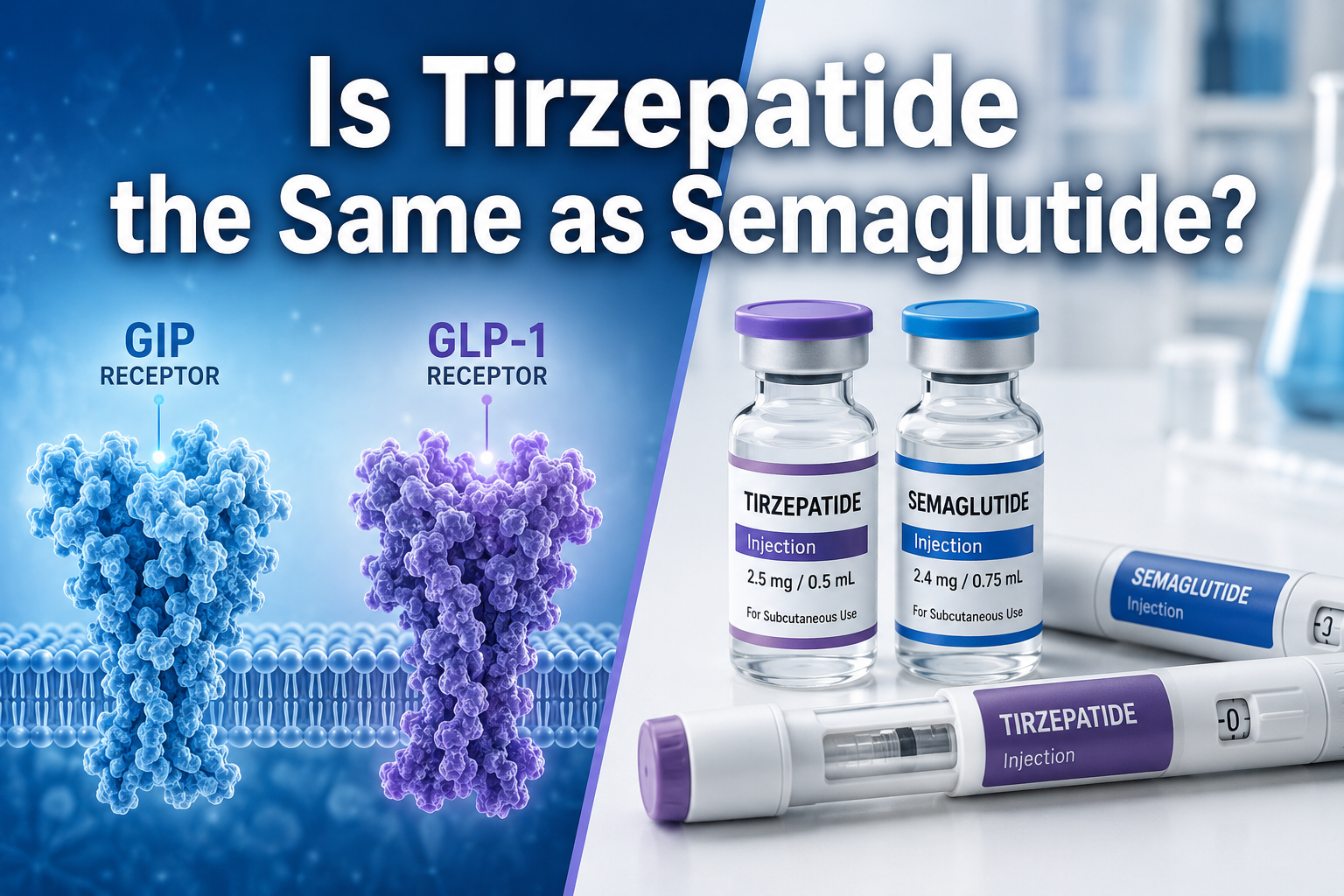
No, tirzepatide is not the same as semaglutide. While both medications support metabolic health and body composition management, tirzepatide is a dual GIP and GLP-1 receptor agonist, whereas semaglutide activates only GLP-1 receptors. This fundamental difference in mechanism means tirzepatide works through two hormonal pathways instead of one, potentially offering enhanced appetite management and metabolic support for many individuals.
Key Takeaways
- Tirzepatide and semaglutide are distinct medications with different mechanisms of action, though both support body composition management
- Tirzepatide activates two hormone receptors (GIP and GLP-1), while semaglutide activates only one (GLP-1)
- Clinical evidence suggests tirzepatide may provide stronger results for body transformation goals compared to semaglutide
- Both medications share similar side effects, primarily gastrointestinal symptoms like nausea and reduced appetite
- Switching between medications is possible but requires proper dosing guidance and a gradual transition period
- Cost differences exist, with tirzepatide pricing in the UK varying significantly between providers
- Neither medication should be taken together as they work on overlapping pathways
- Approval status differs slightly, though both are used for metabolic health support and body composition management
- Individual response varies, making consultation with healthcare providers essential before switching
What Is the Difference Between Tirzepatide and Semaglutide?
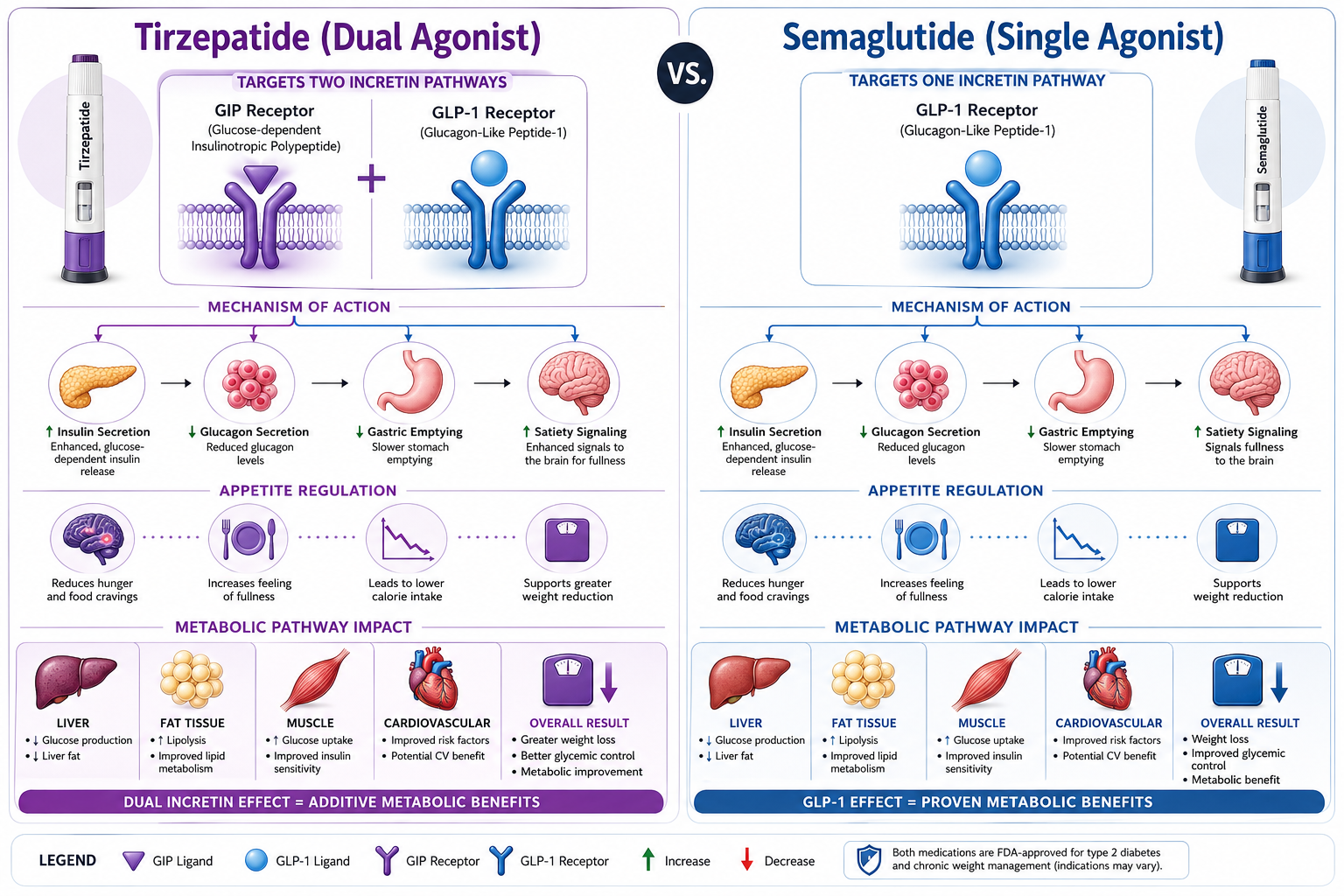
Tirzepatide and semaglutide differ primarily in their molecular structure and receptor activity. Tirzepatide is a dual glucose-dependent insulinotropic polypeptide (GIP) and glucagon-like peptide-1 (GLP-1) receptor agonist, meaning it activates two distinct hormonal pathways in the body. Semaglutide, by contrast, is a selective GLP-1 receptor agonist that works through a single pathway.
This distinction matters because:
Mechanism of Action:
- Tirzepatide mimics both GIP and GLP-1 hormones, providing dual metabolic support
- Semaglutide mimics only GLP-1, offering single-pathway appetite and metabolic regulation
- The dual action of tirzepatide may enhance insulin sensitivity and energy expenditure more effectively
Chemical Structure:
- Tirzepatide is based on a GIP molecule with modifications that allow GLP-1 receptor binding
- Semaglutide is structurally similar to natural human GLP-1 with modifications for extended duration
- Both medications are designed for once-weekly administration via subcutaneous injection
Clinical Applications:
- Both support body composition management and metabolic health
- Both help reduce hunger and promote feeling fuller for longer
- Both are used alongside balanced diet and exercise routines
The dual-agonist nature of tirzepatide represents a newer approach to metabolic health support, building upon the foundation established by GLP-1 medications like semaglutide. For individuals seeking affordable access to tirzepatide in the UK, understanding these differences helps inform treatment decisions.
Is Tirzepatide Stronger Than Semaglutide for Body Composition Management?
Clinical evidence suggests tirzepatide generally produces more significant results for body composition management compared to semaglutide. In head-to-head clinical trials, participants using tirzepatide experienced greater reductions in body composition metrics than those using semaglutide at comparable timeframes.
Comparative Effectiveness:
The enhanced effectiveness appears related to tirzepatide’s dual mechanism:
- GIP receptor activation may improve fat metabolism and energy balance
- Combined GIP and GLP-1 activity provides more comprehensive appetite regulation
- Metabolic effects extend beyond appetite suppression alone
Dosing Considerations:
| Medication | Starting Dose | Maintenance Range | Maximum Dose |
|---|---|---|---|
| Tirzepatide | 2.5mg weekly | 5mg-10mg weekly | 15mg weekly |
| Semaglutide | 0.25mg weekly | 1mg-2.4mg weekly | 2.4mg weekly |
Real-World Implications:
Choose tirzepatide if:
- You’ve reached a plateau with semaglutide
- You’re seeking potentially stronger metabolic support
- You want dual-pathway hormonal regulation
- Cost is manageable (see tirzepatide cost comparison)
Choose semaglutide if:
- You’re new to this class of medications
- You prefer a well-established treatment option
- You experience better tolerability with single-agonist therapy
- Your healthcare provider recommends starting with GLP-1 only
The “stronger” designation doesn’t mean tirzepatide is universally better for everyone. Individual response varies based on metabolic factors, lifestyle habits, and personal tolerance. Some individuals achieve excellent results with semaglutide and may not need to switch.
Can I Switch From Semaglutide to Tirzepatide?
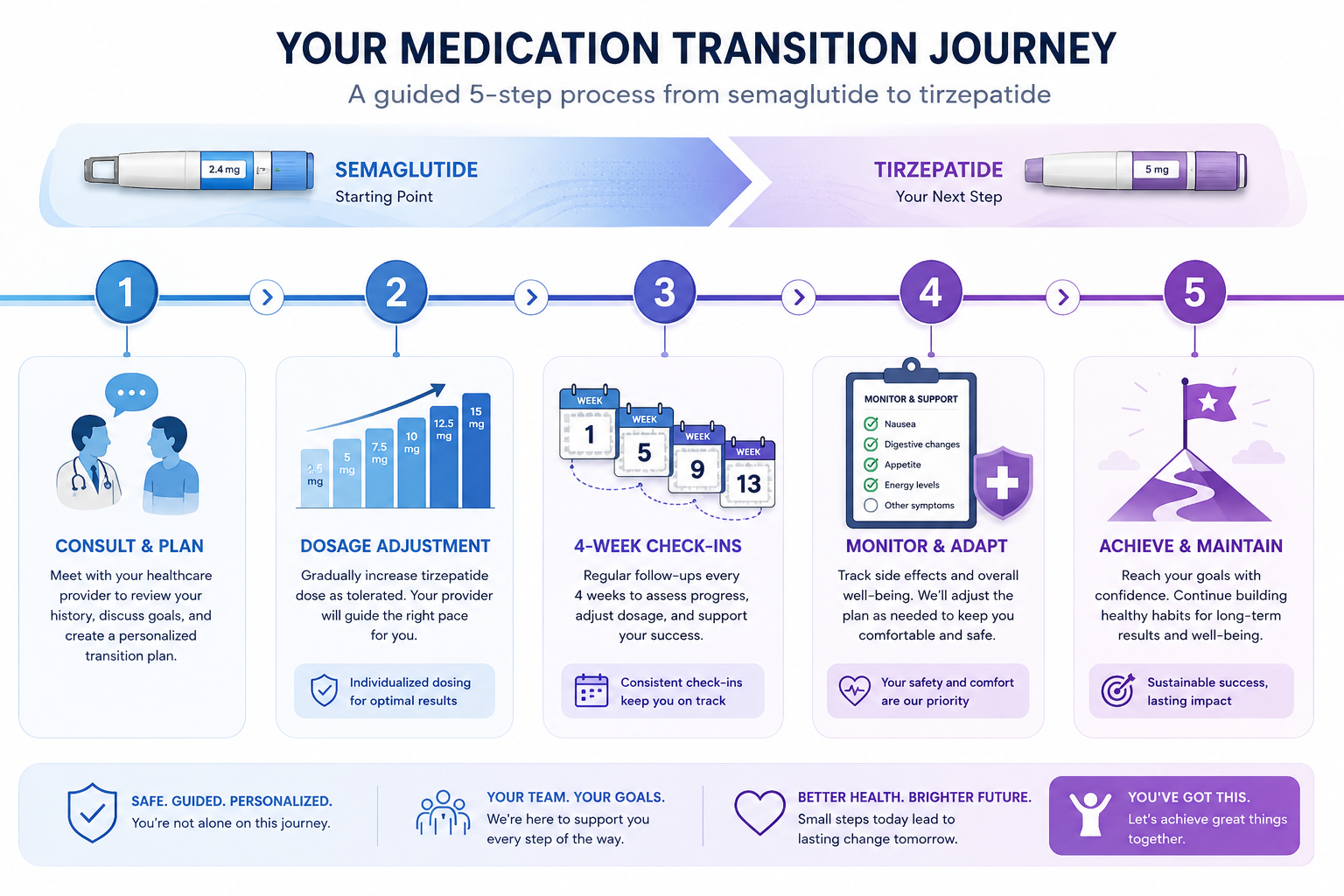
Yes, switching from semaglutide to tirzepatide is possible and increasingly common for individuals seeking enhanced metabolic support. The transition requires careful dosing management to minimize side effects and maintain consistent appetite regulation throughout the changeover period.
Recommended Transition Protocol:
- Complete your current semaglutide dose cycle before starting tirzepatide
- Wait 5-7 days after your last semaglutide injection (allows medication to clear)
- Start tirzepatide at 2.5mg regardless of your previous semaglutide dose
- Follow standard dose escalation (2.5mg → 5mg → 7.5mg → 10mg at 4-week intervals)
- Monitor side effects closely during the first 4-6 weeks
Why Start at 2.5mg?
Even if you were taking maximum-dose semaglutide (2.4mg), starting tirzepatide at 2.5mg is recommended because:
- The dual-agonist mechanism is more potent than single-agonist therapy
- Your body needs time to adjust to GIP receptor activation
- Starting too high increases risk of gastrointestinal side effects
- Gradual escalation improves long-term tolerability
Common Transition Experiences:
During the switch, you might notice:
- Week 1-2: Mild adjustment period as semaglutide clears and tirzepatide begins
- Week 3-4: Appetite suppression returns to previous levels or strengthens
- Week 5-8: Enhanced metabolic effects become more apparent
- Week 9+: Full therapeutic benefit at your optimal maintenance dose
For those considering this transition, Tirzeparo offers affordable tirzepatide starting at £169 for 2.5mg, making the switch financially accessible compared to traditional UK clinic pricing.
Tirzepatide vs Semaglutide: Which One Is Better?
Neither medication is universally “better”—the optimal choice depends on individual goals, response patterns, budget, and tolerance. Both tirzepatide and semaglutide effectively support body composition management when paired with lifestyle modifications, but they suit different situations.
Choose Tirzepatide When:
- You want potentially stronger metabolic support through dual-pathway activation
- You’ve plateaued on semaglutide and need enhanced results
- You’re willing to invest in newer medication technology
- You respond well to GIP receptor activity
- You’re starting fresh and want the most comprehensive approach
Choose Semaglutide When:
- You prefer a medication with longer market history and extensive real-world data
- You’re achieving satisfactory results and see no reason to change
- Budget constraints make the typically lower cost appealing
- You experience better tolerability with single-agonist therapy
- Your healthcare provider recommends starting conservatively
Decision Framework:
Ask yourself these questions:
- Am I satisfied with my current progress? If yes, stay with what works
- Have I reached a plateau? Consider switching to tirzepatide
- What’s my budget? Compare tirzepatide pricing options against semaglutide costs
- How do I tolerate my current medication? Good tolerance suggests you might handle either option
- What does my healthcare provider recommend? Professional guidance matters
Practical Considerations:
Both medications require:
- Weekly subcutaneous injections
- Gradual dose escalation
- Commitment to dietary and exercise modifications
- Monitoring for side effects
- Long-term use for sustained results
The “better” medication is the one you’ll consistently use, tolerate well, and that helps you achieve your body transformation goals. For many individuals in the UK and Ireland, affordable access to tirzepatide through Tirzeparo removes cost as a barrier, making the decision based purely on clinical factors rather than financial constraints.
How Much Does Tirzepatide Cost Compared to Semaglutide?
Tirzepatide typically costs more than semaglutide through traditional UK private clinics, but pricing varies dramatically depending on your sourcing solution. Through Tirzeparo’s EU partner network, tirzepatide becomes competitively priced and often more affordable than clinic-based semaglutide prescriptions.
Tirzeparo Tirzepatide Pricing (2026):
- Tirzeparo® 2.5mg – £169 (Starting Dose)
- Tirzeparo® 5mg – £179 (Step-up Dose)
- Tirzeparo® 7.5mg – £189 (Maintenance)
- Tirzeparo® 10mg – £199 (Maintenance)
- Tirzeparo® 12.5mg – £209 (High Dose)
- Tirzeparo® 15mg – £229 (Maximum Dose)
Traditional UK Clinic Comparison:
| Source | Tirzepatide Monthly Cost | Semaglutide Monthly Cost |
|---|---|---|
| Private UK Clinics | £250-£350+ | £200-£300+ |
| Tirzeparo | £169-£229 | Not offered (tirzepatide focus) |
| NHS (if eligible) | Variable/Limited | Variable/Limited |
Cost Factors to Consider:
Consultation Fees:
- Traditional clinics often charge £50-£150 for initial consultations
- Tirzeparo operates as a sourcing solution, not a clinic, streamlining the process
- Ongoing monitoring fees may apply with clinic-based services
Long-Term Investment:
- Most individuals use these medications for 6-12+ months
- Monthly savings of £80-£150 compound significantly over time
- A 12-month supply through Tirzeparo saves £960-£1,800 compared to traditional clinics
Hidden Costs:
- Shipping fees (Tirzeparo includes discreet, tracked delivery)
- Prescription renewal charges at clinics
- Appointment fees for dose adjustments
Value Proposition:
When comparing tirzepatide to semaglutide, consider:
- Clinical effectiveness: Tirzepatide’s dual mechanism may deliver stronger results, potentially shortening treatment duration
- Cost per outcome: If tirzepatide helps you reach goals faster, the total investment may be lower
- Accessibility: Buying tirzepatide online through Tirzeparo eliminates waiting lists and complicated approval processes
The cost difference between medications matters less when both are accessible at transparent, budget-friendly pricing. Tirzeparo’s mission is democratizing access to metabolic health support by removing the inflated clinic fees that make these medications prohibitively expensive for many UK and Ireland residents.
Do Tirzepatide and Semaglutide Have the Same Side Effects?
Yes, tirzepatide and semaglutide share very similar side effect profiles because both medications work on GLP-1 receptors, which influence gastrointestinal function and appetite regulation. The most common side effects are nearly identical between the two medications, though tirzepatide’s additional GIP activity may slightly modify the frequency or intensity of certain symptoms.
Common Side Effects (Both Medications):
Gastrointestinal Symptoms:
- Nausea (most common, especially during dose escalation)
- Reduced appetite (therapeutic effect, but can feel uncomfortable initially)
- Occasional vomiting
- Diarrhea or constipation
- Abdominal discomfort or bloating
- Acid reflux or heartburn
Other Shared Effects:
- Fatigue during adjustment periods
- Headaches (typically mild and temporary)
- Injection site reactions (redness, itching, minor swelling)
- Dizziness in some individuals
Severity and Duration:
Most side effects:
- Peak during the first 2-4 weeks after starting or increasing dose
- Gradually diminish as your body adjusts
- Can be minimized by eating smaller meals and avoiding high-fat foods
- Rarely require discontinuation if managed properly
Tirzepatide-Specific Considerations:
Because tirzepatide activates GIP receptors in addition to GLP-1:
- Some individuals report slightly stronger initial nausea
- Others experience better tolerability due to GIP’s metabolic effects
- The dual mechanism doesn’t typically add new side effect categories
- Overall tolerability remains comparable to semaglutide
Managing Side Effects:
Practical Strategies:
- Eat smaller, more frequent meals rather than large portions
- Avoid high-fat, greasy foods that slow digestion
- Stay well-hydrated throughout the day
- Take medication on the same day each week for consistency
- Don’t rush dose escalation—stay at lower doses longer if needed
When to Seek Medical Attention:
Contact your healthcare provider if you experience:
- Severe, persistent vomiting preventing fluid intake
- Signs of pancreatitis (severe abdominal pain radiating to back)
- Symptoms of gallbladder issues (right upper abdominal pain)
- Allergic reactions (rash, difficulty breathing, swelling)
Important Medical Warning: Contact your healthcare provider promptly if you notice a lump or swelling in your neck, persistent hoarseness, difficulty swallowing, or shortness of breath. These symptoms may require medical evaluation. In animal studies, tirzepatide and similar medications were associated with thyroid tumors. It is not known whether TIRZEPARO® causes thyroid tumors or medullary thyroid carcinoma (MTC) in humans. You must be 18+ to use our service.
Both medications are generally well-tolerated when dose escalation follows recommended protocols. The side effect similarity means if you tolerated semaglutide well, you’ll likely tolerate tirzepatide similarly, and vice versa.
Which Works Faster: Tirzepatide or Semaglutide?
Tirzepatide typically produces noticeable effects slightly faster than semaglutide, with many individuals reporting enhanced appetite suppression and metabolic changes within the first 2-3 weeks. However, both medications require consistent use over several months to achieve substantial body composition changes, so the speed difference is modest rather than dramatic.
Timeline Comparison:
Tirzepatide:
- Week 1-2: Initial appetite reduction begins
- Week 3-4: Noticeable decrease in hunger and portion sizes
- Week 5-8: Measurable body composition changes start appearing
- Week 9-12: More significant metabolic effects become evident
- Month 4-6: Substantial progress toward body transformation goals
Semaglutide:
- Week 1-2: Mild appetite changes begin
- Week 3-5: Appetite suppression becomes more consistent
- Week 6-10: Initial body composition changes become noticeable
- Week 11-16: Progressive metabolic improvements continue
- Month 5-8: Significant results typically achieved
Why Tirzepatide May Work Faster:
The dual GIP and GLP-1 mechanism provides:
- More comprehensive appetite regulation from multiple hormonal pathways
- Enhanced metabolic effects beyond appetite suppression alone
- Stronger initial response in many individuals
- Potentially shorter time to plateau at optimal results
Factors Affecting Speed:
Individual response varies based on:
- Starting metabolic health status
- Adherence to dietary modifications
- Exercise routine consistency
- Dose escalation pace
- Previous medication history
- Genetic factors influencing receptor sensitivity
Realistic Expectations:
Neither medication is a “quick fix.” Both require:
- Minimum 3-4 months to see substantial results
- 6-12 months for optimal body transformation outcomes
- Ongoing use to maintain results
- Lifestyle modifications including diet and exercise
The speed difference matters less than finding the medication that works best for your body and that you can use consistently. Whether you choose tirzepatide at various doses or semaglutide, patience and consistency deliver the best outcomes.
Common Mistake: Expecting dramatic results in the first month. Both medications work progressively, with effects building over time. Individuals who maintain realistic expectations and focus on sustainable habits achieve better long-term success.
Can You Take Tirzepatide and Semaglutide Together?
No, you should not take tirzepatide and semaglutide together. Both medications work on overlapping pathways (GLP-1 receptors), and combining them provides no additional benefit while significantly increasing the risk of side effects, particularly severe gastrointestinal symptoms and potential complications.
Why Combining Is Not Recommended:
Overlapping Mechanisms:
- Both activate GLP-1 receptors
- Semaglutide provides GLP-1 activity
- Tirzepatide provides both GLP-1 and GIP activity
- Using both simultaneously over-activates the GLP-1 pathway
Increased Side Effect Risk:
- Severe nausea and vomiting
- Extreme appetite suppression leading to inadequate nutrition
- Gastrointestinal distress
- Potential for dehydration
- Risk of pancreatitis or gallbladder issues
No Added Benefit:
- The GLP-1 pathway is already maximally activated by either medication alone
- Adding more GLP-1 stimulation doesn’t enhance results
- You cannot “stack” these medications for faster outcomes
What to Do Instead:
If you’re not satisfied with your current medication:
- Optimize your current dose before considering a switch
- Ensure lifestyle factors are maximized (diet, exercise, sleep, stress)
- Consider switching from semaglutide to tirzepatide (not combining)
- Consult with a healthcare provider about alternative approaches
- Give your current medication adequate time (minimum 3-4 months at maintenance dose)
Switching vs. Combining:
| Approach | Safety | Effectiveness | Recommendation |
|---|---|---|---|
| Taking both together | ❌ Not safe | No added benefit | Never do this |
| Switching from one to the other | ✅ Safe with proper protocol | ✅ Can enhance results | Recommended if needed |
| Staying on one medication | ✅ Safe | ✅ Effective | Best for most people |
Exception Scenarios:
There are no legitimate medical scenarios where combining these medications is appropriate. If a provider suggests this approach, seek a second opinion.
The proper approach is choosing one medication, optimizing its use, and potentially switching if results plateau or tolerance issues arise. Tirzeparo provides straightforward access to tirzepatide for those ready to transition from semaglutide or start fresh with dual-agonist therapy.
Is Tirzepatide Approved for the Same Conditions as Semaglutide?
Tirzepatide and semaglutide have similar but not identical approval profiles. Both medications are approved for type 2 diabetes management and body composition support, though specific regulatory approvals vary by region and brand formulation.
Approval Status Overview:
Tirzepatide (Mounjaro/Zepbound):
- Approved for type 2 diabetes management (as Mounjaro)
- Approved for body composition management (as Zepbound in some regions)
- Dual indication in many jurisdictions
- Newer to market (first approved 2022)
Semaglutide (Ozempic/Wegovy):
- Approved for type 2 diabetes management (as Ozempic)
- Approved for body composition management (as Wegovy)
- Additional cardiovascular risk reduction indication
- Longer market presence (first approved 2017)
UK and Ireland Context:
In the UK and Ireland:
- Both medications are used for metabolic health support
- Access through NHS is limited and criteria-dependent
- Private prescriptions are available but expensive through traditional clinics
- Tirzeparo provides affordable access through EU partners as a sourcing solution
Key Approval Differences:
Cardiovascular Indications:
- Semaglutide has specific approval for reducing cardiovascular risk in certain populations
- Tirzepatide cardiovascular outcome studies are ongoing
- Both show metabolic benefits beyond their primary indications
Dosing Ranges:
- Tirzepatide approved up to 15mg weekly
- Semaglutide approved up to 2.4mg weekly (body composition) or 2mg weekly (diabetes)
- Different dose escalation schedules
Who Can Use Each Medication:
Both medications are generally appropriate for adults (18+) who:
- Have metabolic health goals
- Are committed to lifestyle modifications
- Don’t have contraindications (thyroid cancer history, pancreatitis, etc.)
- Can tolerate GLP-1 receptor agonist effects
Contraindications (Both Medications):
Do not use if you have:
- Personal or family history of medullary thyroid carcinoma
- Multiple endocrine neoplasia syndrome type 2
- History of severe pancreatitis
- Pregnancy or breastfeeding
- Severe gastrointestinal disease
The approval similarities mean both medications serve comparable purposes in clinical practice. The choice between them depends more on individual response, cost considerations, and provider preference than regulatory approval differences.
Who Should Not Take Tirzepatide vs Semaglutide?
The contraindications and precautions for tirzepatide and semaglutide are nearly identical because both medications work on similar hormonal pathways. However, individual medical history and risk factors determine which medication might be more appropriate or whether either should be avoided entirely.
Absolute Contraindications (Both Medications):
Do Not Use If You Have:
- Personal history of medullary thyroid carcinoma (MTC)
- Family history of MTC
- Multiple endocrine neoplasia syndrome type 2 (MEN 2)
- Known severe allergic reaction to tirzepatide, semaglutide, or any component
- Pregnancy or active plans to become pregnant
- Breastfeeding
Relative Contraindications (Use with Caution):
Consult Healthcare Provider If You Have:
- History of pancreatitis
- Severe gastrointestinal disease (gastroparesis, inflammatory bowel disease)
- Diabetic retinopathy (particularly with semaglutide)
- Kidney disease or impaired renal function
- History of gallbladder disease
- History of eating disorders
- Severe depression or suicidal ideation
Age Considerations:
- Both medications approved for adults 18+
- Not recommended for individuals under 18
- Older adults may require closer monitoring but can generally use either medication
- No upper age limit, but overall health status matters more than age alone
Medication-Specific Cautions:
Tirzepatide:
- Newer medication with less long-term safety data
- May cause more pronounced gastrointestinal effects initially in some individuals
- Limited data on use in certain populations
Semaglutide:
- More extensive real-world safety data available
- Specific warnings about diabetic retinopathy progression
- Longer track record for identifying rare adverse events
Drug Interactions:
Both medications can interact with:
- Insulin and sulfonylureas: Increased risk of low blood sugar
- Oral medications: Delayed gastric emptying may affect absorption
- Warfarin: May affect anticoagulation control
Lifestyle Factors:
Consider avoiding or delaying if:
- You cannot commit to dietary modifications
- You have active substance abuse issues
- You’re unwilling to attend monitoring appointments
- You cannot afford consistent medication access
Decision Framework:
Choose neither medication if:
- You have absolute contraindications listed above
- You’re not ready to make lifestyle changes
- You cannot access consistent medical monitoring
Choose semaglutide over tirzepatide if:
- You prefer medication with longer safety track record
- Your healthcare provider recommends starting conservatively
- You have concerns about newer medications
Choose tirzepatide over semaglutide if:
- You’ve used semaglutide without contraindications
- You want dual-mechanism metabolic support
- Your provider recommends it based on your profile
Important Medical Warning: Contact your healthcare provider promptly if you notice a lump or swelling in your neck, persistent hoarseness, difficulty swallowing, or shortness of breath. These symptoms may require medical evaluation. In animal studies, tirzepatide and similar medications were associated with thyroid tumors. It is not known whether TIRZEPARO® causes thyroid tumors or medullary thyroid carcinoma (MTC) in humans. You must be 18+ to use our service.
The similarity in contraindications means if you’re not a candidate for one medication, you’re likely not a candidate for the other. Always disclose your complete medical history to your healthcare provider before starting either medication.
What Are Common Mistakes When Switching From Semaglutide to Tirzepatide?
The most common mistakes when transitioning from semaglutide to tirzepatide involve improper dosing, rushed timelines, and inadequate preparation for the adjustment period. These errors can lead to unnecessary side effects, disappointing results, or abandoning the switch prematurely.
Mistake #1: Starting Tirzepatide Too High
The Error:
- Assuming your semaglutide dose translates directly to an equivalent tirzepatide dose
- Starting at 5mg or higher because you were on 2.4mg semaglutide
- Skipping the 2.5mg starting dose
Why It’s Wrong:
- Tirzepatide’s dual mechanism is more potent than semaglutide’s single mechanism
- Your body needs time to adjust to GIP receptor activation
- Starting too high dramatically increases nausea and gastrointestinal distress
The Fix:
- Always start at 2.5mg tirzepatide regardless of previous semaglutide dose
- Follow standard 4-week escalation protocol
- Be patient with the gradual increase
Mistake #2: Not Waiting Between Medications
The Error:
- Injecting tirzepatide immediately after your last semaglutide dose
- Overlapping medications to “avoid losing progress”
- Switching mid-week instead of at your regular injection day
Why It’s Wrong:
- Both medications activate GLP-1 receptors
- Overlapping creates excessive GLP-1 stimulation
- Increases risk of severe side effects
The Fix:
- Wait 5-7 days after your last semaglutide injection
- Allow semaglutide to clear your system
- Start tirzepatide on your regular injection day after the waiting period
Mistake #3: Expecting Immediate Results
The Error:
- Anticipating dramatic changes in the first week
- Comparing week 1 of tirzepatide to month 6 of semaglutide
- Switching back to semaglutide after just 2-3 weeks
Why It’s Wrong:
- Tirzepatide requires 4-6 weeks at each dose to show full effects
- The starting dose (2.5mg) is intentionally conservative
- Real results appear after reaching maintenance doses (7.5mg-10mg+)
The Fix:
- Commit to at least 12-16 weeks on tirzepatide before evaluating
- Track progress with measurements, not just scale numbers
- Remember that semaglutide also took months to show full results
Mistake #4: Ignoring Lifestyle Factors
The Error:
- Assuming the medication switch alone will accelerate results
- Relaxing dietary discipline during the transition
- Reducing exercise frequency while adjusting to new medication
Why It’s Wrong:
- Both medications work best with consistent lifestyle support
- The transition period is not a “break” from healthy habits
- Metabolic momentum requires ongoing effort
The Fix:
- Maintain or improve dietary quality during the switch
- Continue regular exercise routines
- Use the transition as an opportunity to optimize habits
Mistake #5: Not Adjusting Meal Patterns
The Error:
- Eating the same portion sizes as before starting any medication
- Consuming high-fat meals that worsen nausea
- Skipping meals due to reduced appetite
Why It’s Wrong:
- Tirzepatide may suppress appetite more strongly than semaglutide
- Inadequate nutrition can cause fatigue and muscle loss
- High-fat foods exacerbate gastrointestinal side effects
The Fix:
- Eat smaller, more frequent meals
- Focus on protein-rich, nutrient-dense foods
- Avoid greasy, heavy meals especially in the first weeks
Mistake #6: Inadequate Hydration
The Error:
- Not increasing water intake during the transition
- Relying on caffeinated beverages for hydration
- Ignoring signs of dehydration (dark urine, dizziness, fatigue)
Why It’s Wrong:
- GLP-1 medications can reduce thirst signals
- Dehydration worsens side effects like headaches and fatigue
- Proper hydration supports metabolic function
The Fix:
- Drink at least 2-3 liters of water daily
- Set reminders if you forget to drink regularly
- Monitor urine color as a hydration indicator
Mistake #7: Not Tracking the Transition
The Error:
- Failing to document side effects, appetite changes, and progress
- Relying on memory to compare experiences
- Not noting which dose worked best
Why It’s Wrong:
- Detailed records help identify patterns and optimal dosing
- Documentation helps healthcare providers make informed adjustments
- Tracking prevents repeating ineffective approaches
The Fix:
- Keep a simple journal noting daily appetite, energy, and side effects
- Take weekly measurements (weight, waist circumference, photos)
- Record which dose level feels most effective with tolerable side effects
For those ready to make the switch, Tirzeparo offers affordable tirzepatide access with transparent pricing and discreet delivery, removing financial barriers that might otherwise prevent optimizing your metabolic health approach.
Tirzepatide vs Semaglutide for Type 2 Diabetes: Which Is Better?
For type 2 diabetes management, tirzepatide generally demonstrates superior glycemic control compared to semaglutide in head-to-head clinical trials, with greater reductions in HbA1c levels and fasting glucose. However, both medications effectively support blood sugar management when used as part of comprehensive diabetes care.
Glycemic Control Comparison:
Tirzepatide Advantages:
- Greater HbA1c reductions (average 0.5-1.0% more than semaglutide)
- More patients reaching target HbA1c levels below 7%
- Dual mechanism addresses multiple aspects of glucose metabolism
- Potential for greater insulin sensitivity improvement
Semaglutide Advantages:
- Proven cardiovascular risk reduction in specific populations
- Longer real-world safety data for diabetes management
- Well-established dosing protocols
- Extensive clinical experience among healthcare providers
Mechanism Differences in Diabetes:
Tirzepatide’s Dual Action:
- GLP-1 activity: Stimulates insulin secretion, suppresses glucagon, slows gastric emptying
- GIP activity: Enhances insulin response, may improve beta-cell function, affects fat metabolism
- Combined effect: More comprehensive glucose regulation
Semaglutide’s Single Action:
- GLP-1 activity only: Effective insulin stimulation and glucagon suppression
- Proven mechanism: Well-understood pathway with predictable effects
- Cardiovascular benefits: Additional heart health advantages
Clinical Outcomes:
| Outcome Measure | Tirzepatide | Semaglutide |
|---|---|---|
| HbA1c Reduction | 1.5-2.5% average | 1.0-2.0% average |
| Fasting Glucose | Greater reduction | Significant reduction |
| Body Composition | Greater improvement | Significant improvement |
| Cardiovascular | Studies ongoing | Proven risk reduction |
Who Should Choose Tirzepatide for Diabetes:
- Individuals with higher baseline HbA1c needing aggressive control
- Those who haven’t reached targets on semaglutide
- Patients seeking maximum glycemic improvement
- Individuals without established cardiovascular disease
Who Should Choose Semaglutide for Diabetes:
- Patients with established cardiovascular disease
- Those achieving good control on current semaglutide therapy
- Individuals preferring medications with longer safety track records
- Patients whose insurance or budget favors semaglutide
Combination with Other Diabetes Medications:
Both medications can be used alongside:
- Metformin (most common combination)
- SGLT2 inhibitors
- DPP-4 inhibitors (though less common with GLP-1 agonists)
Caution with:
- Insulin (requires dose adjustment to prevent hypoglycemia)
- Sulfonylureas (increased low blood sugar risk)
Practical Diabetes Management:
Regardless of which medication you choose:
- Monitor blood glucose regularly, especially when starting or adjusting doses
- Maintain consistent meal timing to optimize medication effects
- Stay physically active to improve insulin sensitivity
- Work with your healthcare team to adjust other diabetes medications as needed
Cost Considerations for Diabetes:
For UK and Ireland residents managing type 2 diabetes:
- NHS access is limited and criteria-dependent
- Private clinic costs can be prohibitive for long-term use
- Tirzeparo’s affordable pricing makes sustained tirzepatide use financially viable
- Consistent medication access is crucial for diabetes management
The “better” medication for diabetes depends on your specific situation. If you’re not reaching glycemic targets on semaglutide, switching to tirzepatide may provide the additional control needed. If you’re doing well on semaglutide, there may be no reason to change.
Frequently Asked Questions
Can I use tirzepatide if I’ve never tried semaglutide?
Yes, you can start with tirzepatide without trying semaglutide first. Tirzepatide is appropriate as a first-line medication for body composition management and metabolic health support. There’s no requirement to try semaglutide before accessing tirzepatide, though some healthcare providers prefer starting with the more established medication.
How long does it take to see results when switching from semaglutide to tirzepatide?
Most individuals notice enhanced appetite suppression within 2-4 weeks of switching to tirzepatide, but measurable body composition changes typically appear after 6-8 weeks at maintenance doses (7.5mg or higher). Full results usually manifest after 3-4 months on tirzepatide, similar to the timeline with semaglutide.
Will I gain back progress if I wait between stopping semaglutide and starting tirzepatide?
The recommended 5-7 day waiting period between medications rarely causes significant setbacks. Your appetite may increase slightly during this brief transition, but maintaining dietary discipline during the gap prevents meaningful regression. Most individuals resume progress quickly once tirzepatide begins working.
Are the injection techniques different for tirzepatide vs semaglutide?
No, both medications use the same subcutaneous injection technique in the abdomen, thigh, or upper arm. If you’re comfortable injecting semaglutide, you’ll have no difficulty with tirzepatide. Both come in pre-filled pens designed for easy self-administration.
Can I alternate between tirzepatide and semaglutide?
No, alternating between medications is not recommended. Choose one medication and use it consistently for at least 3-4 months before evaluating effectiveness. Switching back and forth prevents your body from fully adjusting to either medication and makes it impossible to assess which works better for you.
Does tirzepatide cause more hair loss than semaglutide?
Both medications can be associated with temporary hair thinning due to rapid body composition changes and potential nutritional deficiencies, not the medications themselves. The effect is comparable between tirzepatide and semaglutide. Ensuring adequate protein intake, taking a multivitamin, and maintaining gradual rather than extreme caloric restriction helps minimize this effect.
Will my insurance cover tirzepatide if it covered semaglutide?
Insurance coverage varies significantly by provider and region. In the UK, NHS coverage for both medications is limited and criteria-dependent. Many individuals find that purchasing tirzepatide through Tirzeparo at transparent, affordable pricing is more straightforward than navigating insurance approval processes.
Can I split my tirzepatide dose into twice weekly instead of once weekly?
No, tirzepatide is specifically formulated for once-weekly administration. Splitting the dose alters the medication’s pharmacokinetics and is not recommended. If you experience side effects, the solution is adjusting to a lower weekly dose, not splitting it into multiple injections.
Is tirzepatide safer than semaglutide for long-term use?
Both medications have similar safety profiles for long-term use. Semaglutide has more extensive long-term data due to its earlier market entry, but tirzepatide’s safety profile in clinical trials is comparable. Neither medication has shown concerning long-term safety signals when used appropriately.
Do I need to refrigerate tirzepatide differently than semaglutide?
Both medications have similar storage requirements: refrigerate unopened pens at 2-8°C (36-46°F), and once in use, they can be kept at room temperature (up to 30°C/86°F) for up to 21 days. Follow the same storage practices you used for semaglutide.
Can I drink alcohol while taking tirzepatide or semaglutide?
Moderate alcohol consumption is generally acceptable with both medications, but alcohol can worsen gastrointestinal side effects like nausea. Additionally, alcohol provides empty calories that may slow body composition progress. If you choose to drink, do so in moderation and monitor how it affects your tolerance and results.
Will tirzepatide work if semaglutide stopped working for me?
Yes, many individuals who plateau on semaglutide experience renewed progress when switching to tirzepatide. The dual GIP and GLP-1 mechanism provides additional metabolic support that can overcome semaglutide plateaus. However, ensure you’ve optimized lifestyle factors before attributing lack of progress solely to medication effectiveness.
Conclusion
Tirzepatide and semaglutide are distinct medications with different mechanisms, though both effectively support body composition management and metabolic health. Tirzepatide’s dual GIP and GLP-1 receptor activation generally provides stronger metabolic effects compared to semaglutide’s single GLP-1 pathway, making it an attractive option for individuals seeking enhanced results or those who have plateaued on semaglutide.
The decision between these medications depends on individual factors including current treatment status, budget, tolerance, and specific health goals. Neither medication is universally superior—semaglutide offers proven long-term safety data and cardiovascular benefits, while tirzepatide provides potentially stronger metabolic support through its innovative dual mechanism.
For UK and Ireland residents, cost has traditionally been a significant barrier to accessing these medications through private clinics. Tirzeparo addresses this challenge by providing affordable, transparent access to tirzepatide through trusted EU partners, with pricing starting at £169 for 2.5mg and reaching only £229 for the maximum 15mg dose. This straightforward sourcing solution eliminates the inflated clinic fees, long waiting lists, and complicated approval processes that prevent many individuals from optimizing their metabolic health.
Key Takeaways for Your Decision:
- If you’re new to these medications: Either option can work, but tirzepatide’s dual mechanism may provide more comprehensive support from the start
- If you’re currently on semaglutide: Evaluate your progress honestly—if you’re satisfied, stay the course; if you’ve plateaued, consider switching to tirzepatide
- If cost has been a barrier: Tirzeparo’s affordable pricing makes sustained tirzepatide use financially accessible
- If you’re switching: Follow proper protocols (5-7 day gap, start at 2.5mg, gradual escalation) to minimize side effects and optimize results
Next Steps:
- Assess your current situation: Are you achieving your goals with your current approach?
- Review your budget: Compare tirzepatide costs through Tirzeparo against traditional clinic pricing
- Consult with a healthcare provider: Discuss whether switching or starting tirzepatide is appropriate for your health profile
- Commit to the process: Whether you choose tirzepatide or semaglutide, consistency with medication and lifestyle modifications delivers results
- Order with confidence: Tirzeparo provides discreet, tracked delivery straight to your door in plain, unbranded packaging
Both medications represent powerful tools for metabolic health support and body transformation when combined with balanced nutrition and regular physical activity. The choice between them is less important than choosing one, using it consistently, and supporting it with sustainable lifestyle habits.
Sourcing Disclaimer: Tirzeparo acts as a bridge, providing direct access to affordable Tirzepatide by fulfilling orders through our network of EU partners. We are not a medical clinic; we are your sourcing solution.